Gangnam Station Stem Cell Skin Booster Benefits
Seocho-dong Stem Cell Skin Booster for Skin Recovery
Hello,
This is Dr. Park Kibum, Head Director of GU Clinic.
The skin barrier that once felt firm and resilient during youth can gradually
become thinner and weaker due to external irritation,
seasonal changes, and various environmental factors.
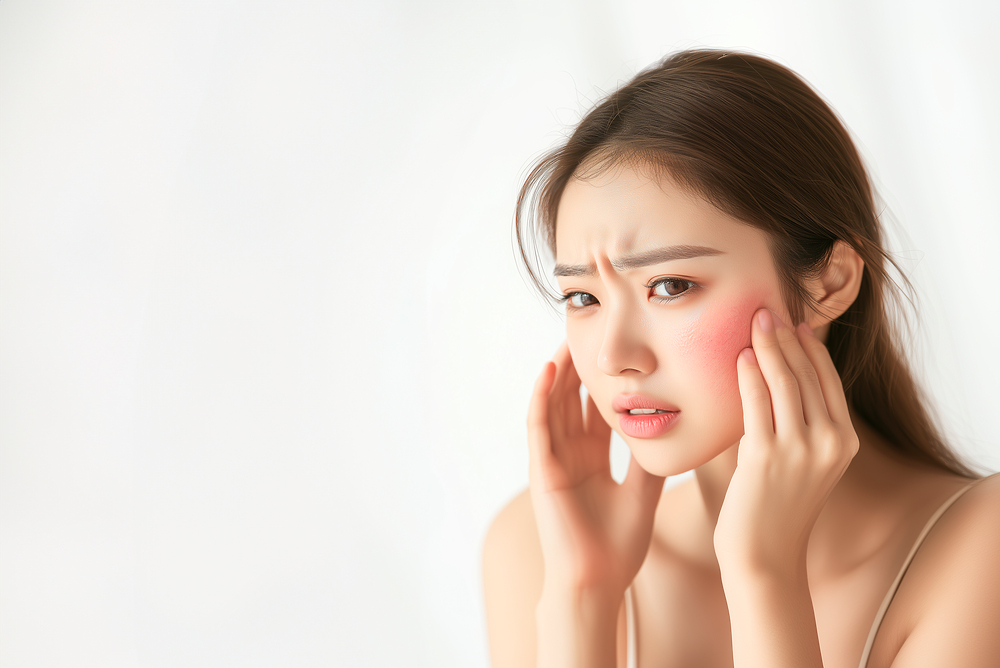
Over time, sensitivity, dryness, and tightness
may occur more frequently, causing ongoing discomfort.
Although these changes may appear only on the skin surface,
they are actually the result of gradual internal changes taking place step by step.
To maintain changing skin condition,
it is important to strengthen the skin’s natural ability to recover.
Today, I’ll explain how to support
and improve the skin’s recovery capacity.
"Skin Regeneration Has Its Own Cycle"
The skin naturally renews itself approximately every 28 days.
This process is known as 'turnover',
and it refers to the cycle in which old dead skin cells shed
and new skin cells rise to the surface.
However, while this cycle may remain relatively consistent at first,
it can gradually slow down or become imbalanced
depending on age, skin condition, and external factors.
<Skin Regeneration Cycle> | ||
Age | Skin Turnover | Key Changes |
10's | Around 20 days | Skin recovers quickly, and sebum production tends to be active. |
20's | Around 28 days | Healthy turnover is maintained, with stable elasticity and moisture balance. |
30's | Around 35–40 days | Skin texture begins to change, with early loss of firmness and increased fine lines. |
40's | Around 45–55 days | Collagen loss becomes more noticeable, with duller skin tone and increased dryness. |
50's | Over 60 days | Slower regeneration, thinning skin, reduced elasticity, and weaker recovery become more apparent. |
As we age, the rate of cell division slows down, and the regeneration cycle begins to change.
Recovery after damage may also take longer than before.
As a result, dead skin cells may not shed properly, leading to rougher skin texture.
"The Connection Between Skin Turnover
and the Skin Barrier"
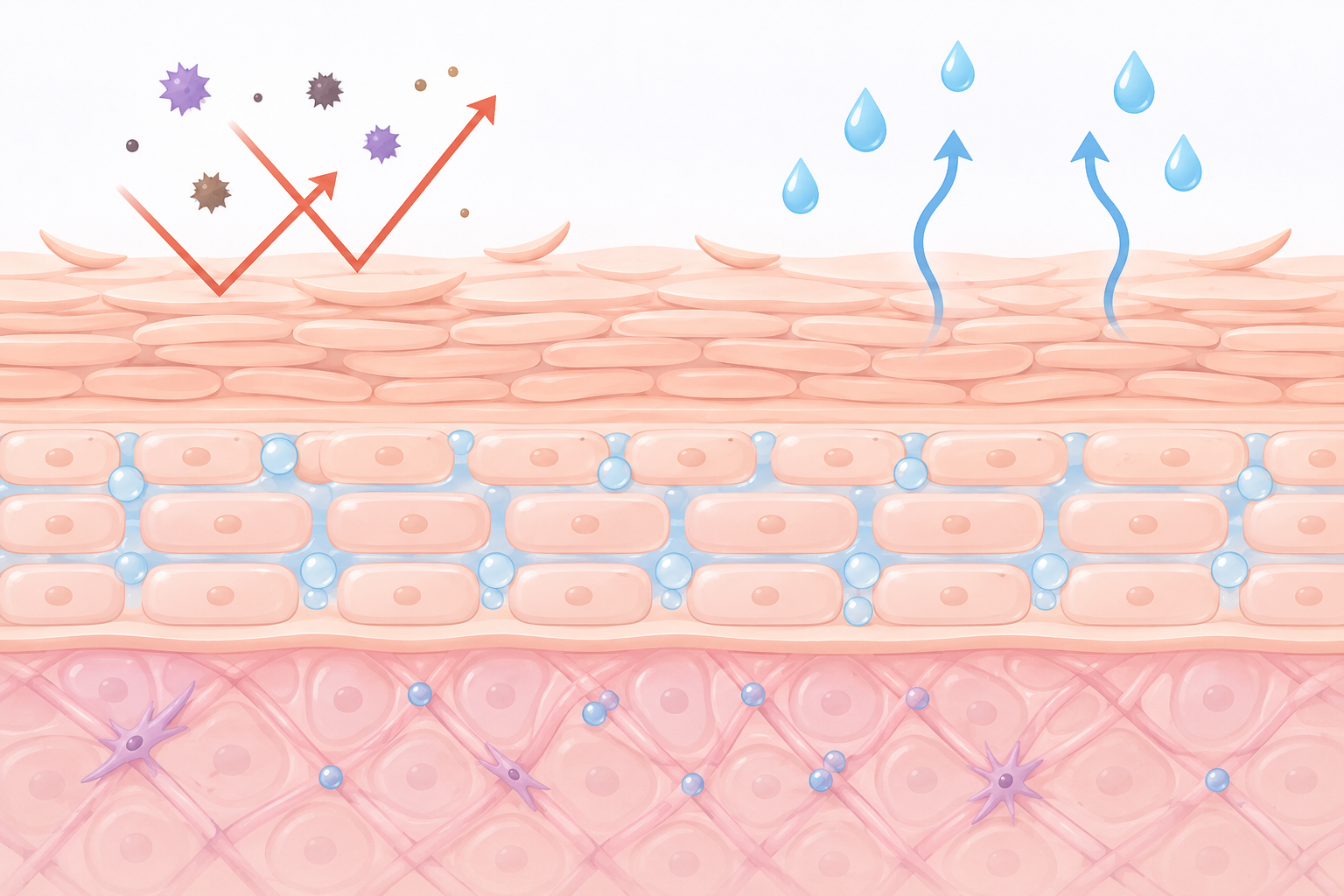
At a healthy rhythm,
the skin repeatedly sheds old dead skin cells
and brings new cells to the surface.
This process plays an important role
in maintaining both skin condition and the skin barrier.
When the skin regeneration cycle is healthy,
damaged skin can recover more stably, and the protective barrier remains balanced.
However, when the regeneration cycle slows down
or becomes irregular, old dead skin cells remain on the surface longer,
and the skin barrier becomes more vulnerable.
The skin barrier protects the skin from external irritation.
Once it weakens, the skin may react more sensitively to external triggers and breakouts,
while dryness and pigmentation concerns may gradually increase.
Without proper care, recovery ability can decline,
and the turnover cycle may become even more imbalanced.
"Care That Supports a Stable Recovery Flow"
There are many ways to manage age-related changes
in the skin regeneration cycle.
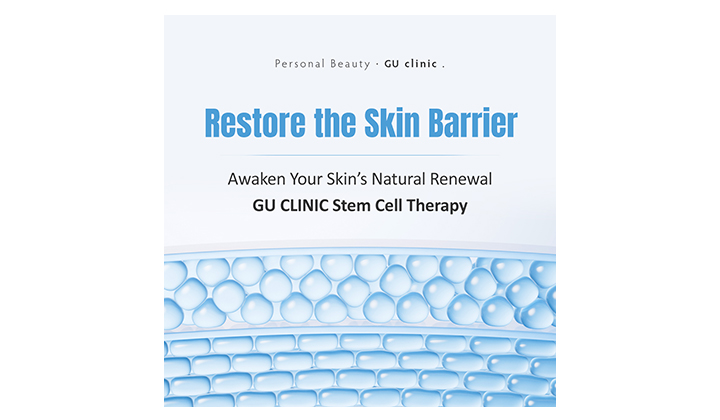
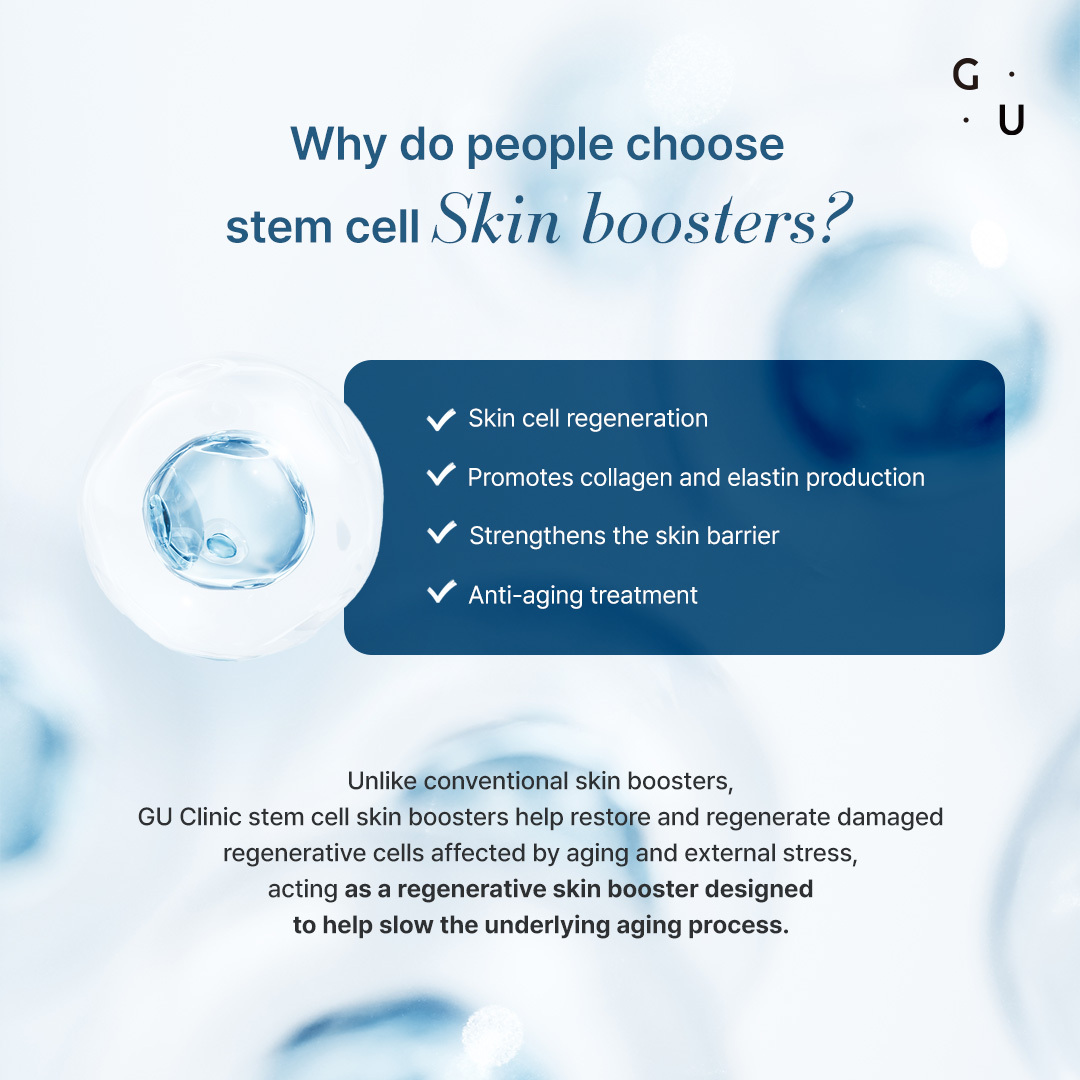
Among them, stem cell skin boosters are considered
an approach that may help support skin recovery and regeneration.
Stem cell-conditioned media contains growth factors
and regenerative signaling molecules related to the skin environment.
These components are known
for helping stimulate cellular regeneration and collagen production.
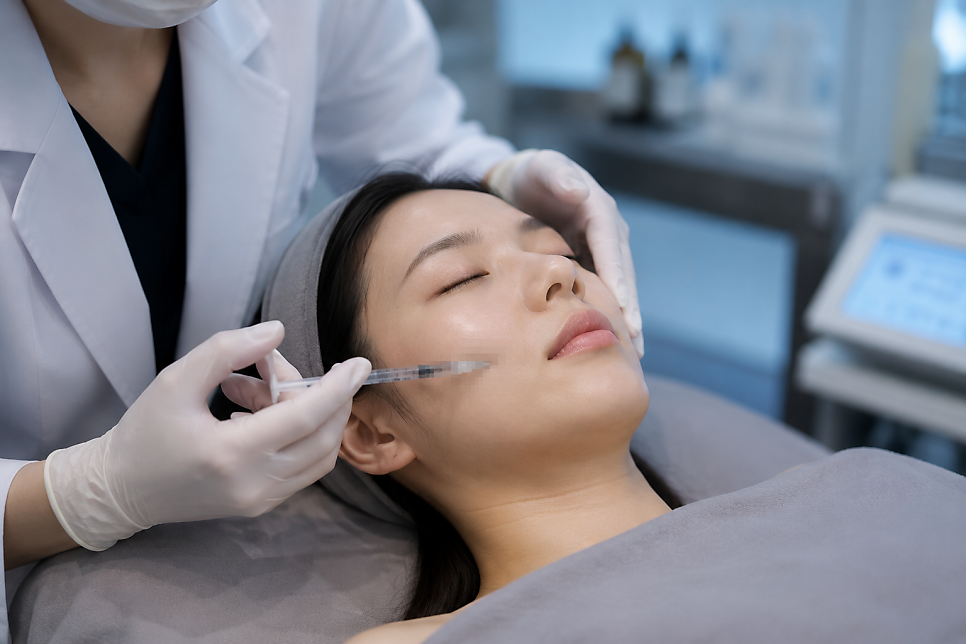
By activating the cellular communication system
that gradually weakens over time,
stem cell skin boosters may help restore a disrupted regeneration cycle.
Focusing only on 'filling' cannot fully restore healthy skin condition.
Instead, an approach that improves
the skin’s internal regenerative flow is needed.
When the skin’s recovery ability remains stable,
light reflects more evenly across the surface,
helping create a clearer and healthier appearance.
For this reason, treatment should focus not simply
on adding volume, but on creating a healthier regenerative flow
that supports recovery from within.
"Skin Regeneration Begins in the Dermis"
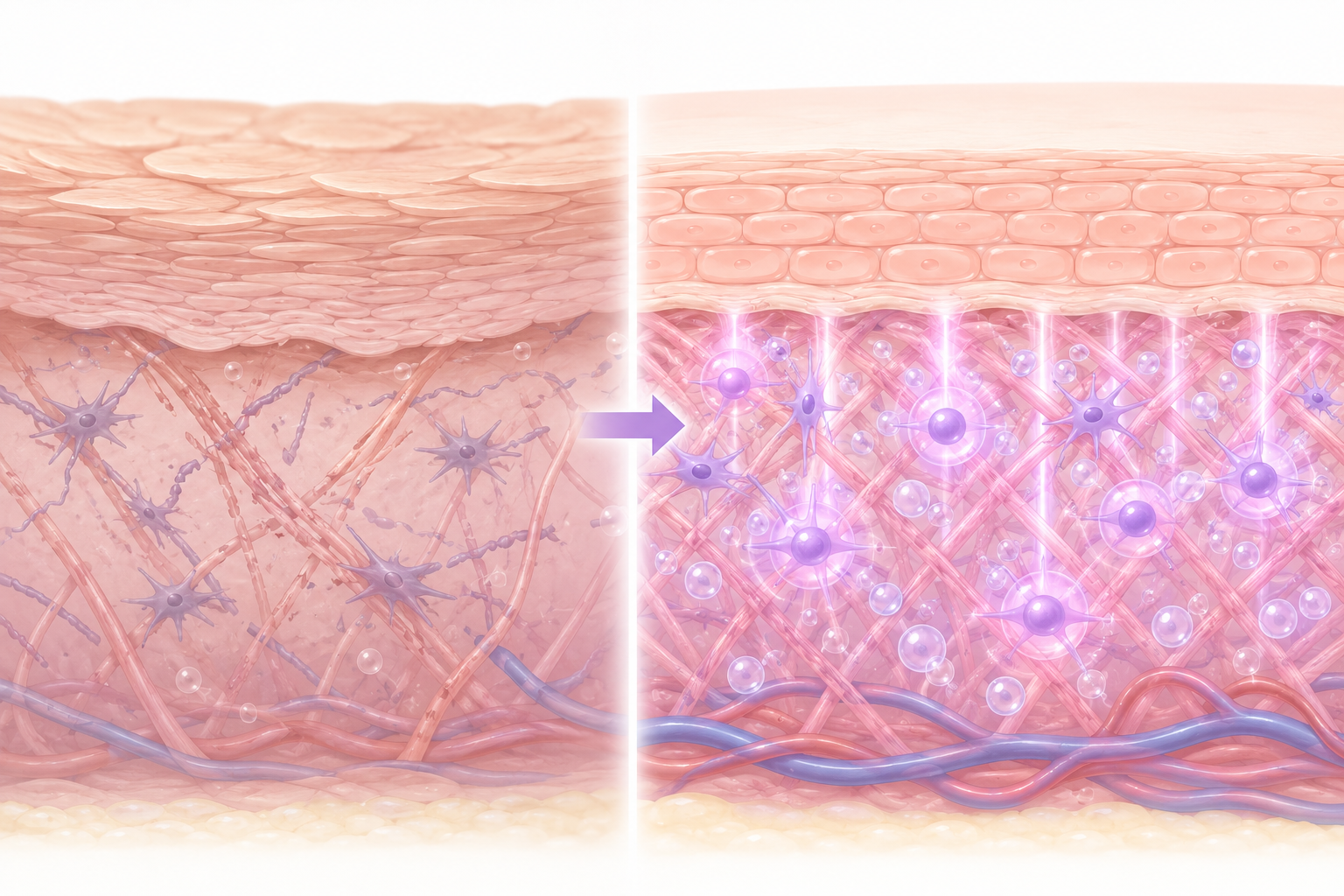
Skin regeneration should not be understood only as a surface-level change.
The flow of skin condition and elasticity
is closely connected to the deeper dermal environment.
The dermis contains collagen, elastin,
and hyaluronic acid, which influence skin firmness, density, wrinkles,
and the speed of aging.
When this structure remains healthy,
the skin appears firm, smooth, and resilient.
However, as it weakens, the skin may gradually look thinner
and less supported, increasing the likelihood of fine lines,
loss of firmness, and changes in skin texture.
In other words, true improvement depends less
on what is visible on the surface
and more on how stably the dermal environment is recovering.
"Who May Benefit
from Improving Skin Recovery?"
Thinning skin and reduced elasticity
cannot be explained as surface-level concerns alone.
Rather than addressing only one visible issue,
it is important to improve the internal skin environment
in a balanced way.
If you are wondering whether regenerative skin treatment
or stem cell skin boosters may be the right option for you,
we recommend receiving a detailed diagnosis and consultation.
This has been Dr. Park Kibum,
Head Director of GU Clinic.
Thank you.