

GU Clinic
#Skin Booster
Upgrade Your Skin This Summer
GU Clinic Skinvive
Dehydrated Skin in Summer: Why Moisturizer May Not
Oily skin doesn't always mean hydrated skin. Discover why summer dehydration happens and how Gangnam SKINVIVE supports lasting hydration.
GU Clinic
#Skin Booster
Upgrade Your Skin This Summer
GU Clinic Skinvive
Hello,
I’m Dr. Ki-bum Park,
Medical Director of GU CLINIC.
During the summer, many people say,
“My skin looks oily, but it still feels tight,” or
“Even after applying moisturizer, my skin becomes dry again very quickly.”
This condition is often described as dehydrated skin.
It may not be caused by a simple lack of moisture alone.
To put it simply, summer skin dehydration can become
more noticeable as skin temperature rises
and moisture evaporates more quickly.
Sweat and sebum may make the surface look shiny,
while the deeper layers struggle to retain hydration.
In this article, we will look at why dehydrated skin can worsen in summer
and why both skin temperature and moisture retention matter.
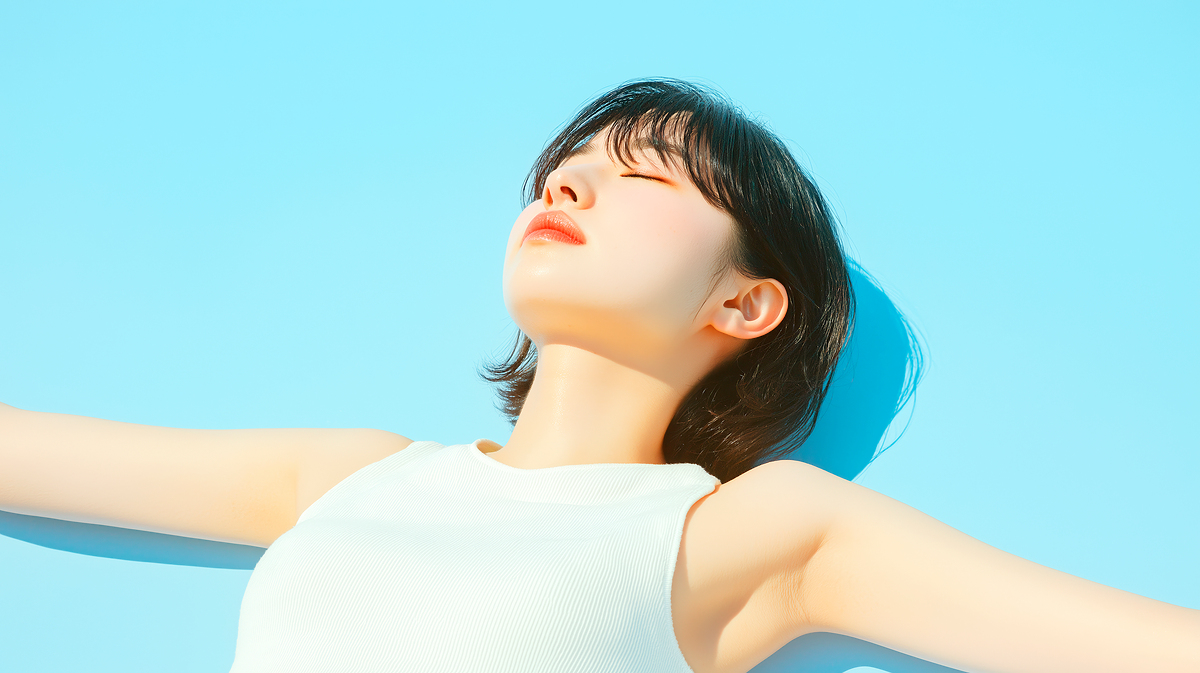
"Summer Skin Problems
Often Begin with Heat"
Strong UV exposure and high temperatures can raise
skin temperature more easily than usual.
The surface may appear dewy or glossy as sweat
and sebum production increase,
but a very different process may be taking place beneath the surface.
As skin temperature rises,
more water can be lost through the skin’s surface.
This may leave the skin looking oily
on the outside while feeling tight and dry underneath.
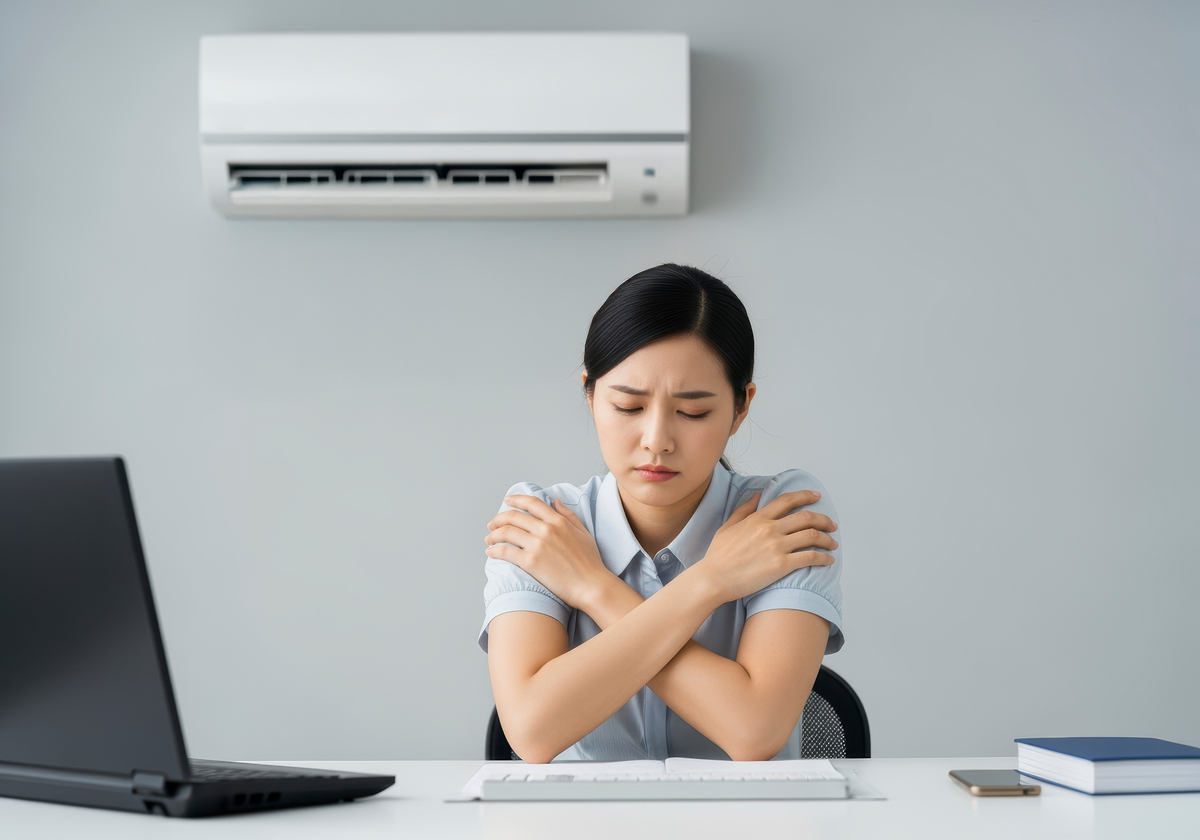
Moving repeatedly between hot outdoor weather
and air-conditioned indoor spaces also exposes
the skin to rapid temperature changes.
These shifts can disrupt overall skin comfort
and make it harder for the skin
to maintain a stable moisture balance.
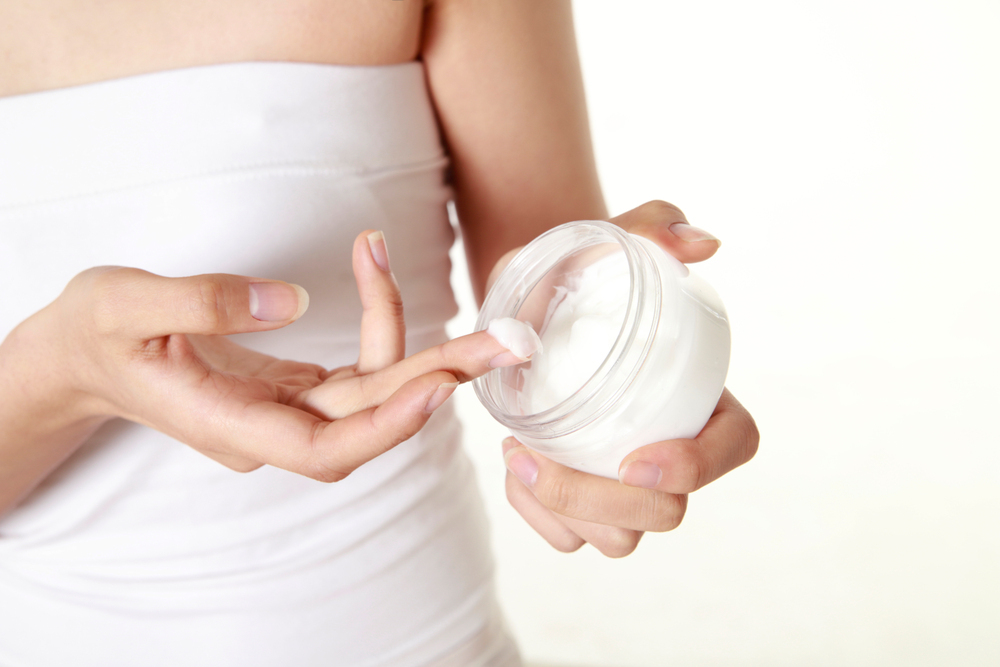
"Is Adding More
Moisture Enough?"
Applying moisturizer and drinking enough
water are helpful parts of basic daily care.
However, if moisture continues to escape from the skin,
the feeling of hydration may not last very long.
In other words, replenishing water matters,
but so does creating an environment
in which that water is less likely to be lost.
Supporting the skin’s ability to hold on to moisture is
one of the key principles of managing dehydrated skin.
If dryness keeps returning,
it may be more useful to assess the current condition of the skin,
including the skin barrier and its moisture-retention environment,
rather than simply increasing the amount of moisturizer being applied.
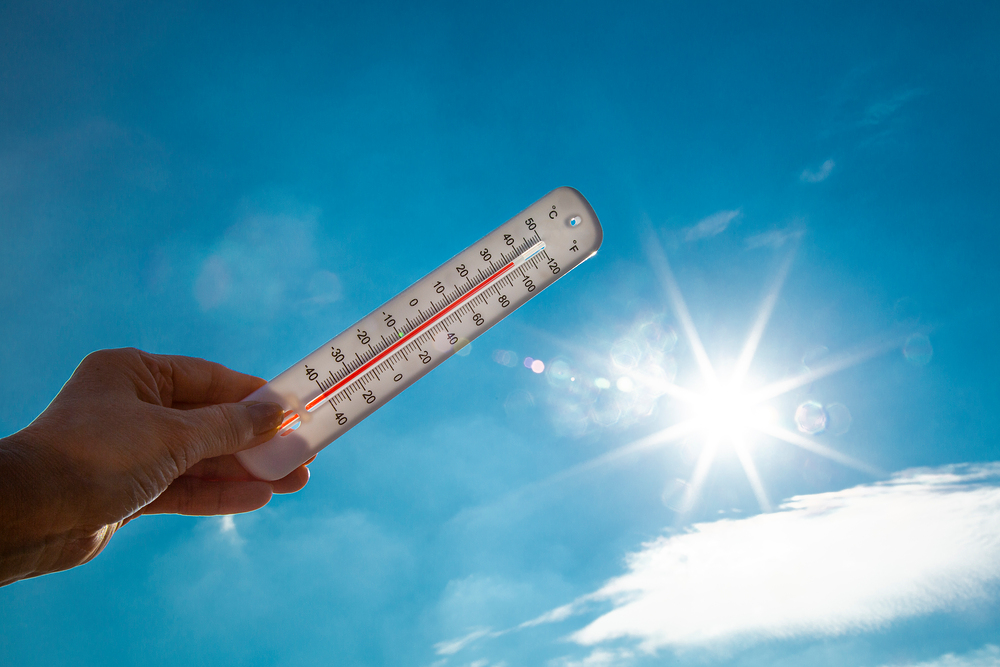
"Changes That May Appear
as Skin Temperature Rises"
When skin temperature increases and hydration levels fall,
tightness is not the only possible concern.
Makeup may become patchy, the skin may feel rough,
and the complexion can appear dull or tired.
The skin may also become more sensitive,
with redness or discomfort appearing
in response to relatively minor triggers.
These changes are easy to dismiss as unavoidable summer problems,
but they may signal a shift in the skin’s internal moisture environment.
Summer skin care should therefore focus not only on reducing oil,
but also on cooling the skin appropriately
and supporting its ability to retain hydration.
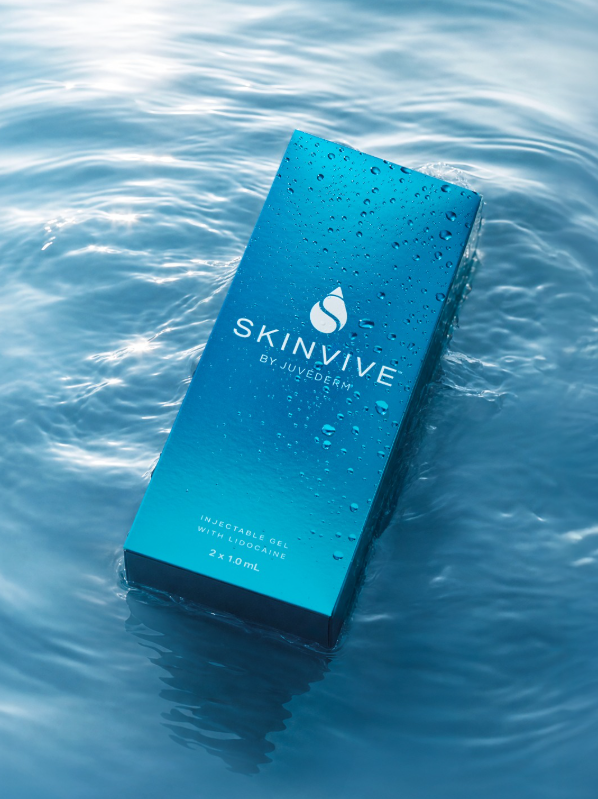
"Considering SKINVIVE for Moisture Retention"
There are several ways to support the skin’s hydration environment,
and one option that may be considered is a skin booster.
Gangnam SKINVIVE is a hyaluronic acid-based injectable treatment
designed to help improve skin hydration and texture.
It may be considered for people whose skin becomes dry easily,
feels rough, or causes makeup to sit unevenly, particularly
when both hydration and skin texture are treatment goals.
The most appropriate injection plan, treatment area,
and number of sessions can vary depending on the individual,
so an in-person medical assessment should come first.

💡The Key to Managing
Dehydrated Skin
Is Moisture Retention
Skin that looks moisturized
on the surface is not necessarily
well hydrated underneath.
High skin temperature and repeated shifts between indoor
and outdoor temperatures can reduce hydration
more quickly than expected.
For summer skin dehydration, it is therefore important
to consider not only how much moisture is added,
but also how steadily the skin can retain it.
Daily habits such as sun protection, appropriate moisturizing,
adequate rest, and regular fluid intake should also be maintained.
If dehydrated skin keeps returning or you are concerned
about uneven makeup and rough texture, it may be helpful
to have your skin assessed and choose a management plan
suited to your individual condition.
This has been Dr. Ki-bum Park,
Medical Director of GU CLINIC.
Thank you for reading.
Dr. Ki-beom Park(Chief Medical Director) - B.S. in Biotechnology, College of Engineering, Yonsei University - M.D. Yonsei University College of Medicine - Adjunct Professor, Graduate School of Integrative Medicine, CHA University - Co-founder of Gangnam Unni, a medical aesthetics information platform - Operator of Healing Breeze, a medical service organization (MSO) - Developer of GENABELLE, a K-Derma cosmetics brand - Developer of the CELLORA of GU brand |