Causes of Rough Skin Texture and How to Improve It
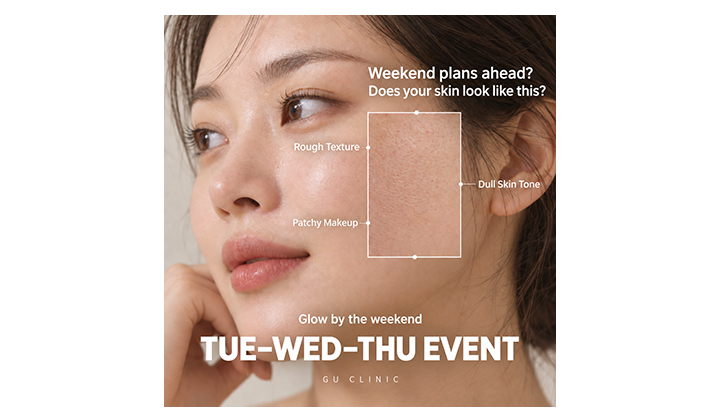
Skin texture care in Gangnam designed to refine rough skin and promote a smoother, healthier-looking complexion.
Hello,
I’m Dr. Kibum Park, Medical Director of GU Clinic.
If your skin doesn’t look or feel the way it used to,
you may have started looking into ways to improve your skin texture.
When light hits the skin and highlights unevenness on the surface,
many people assume that excess oil or dead skin cells are the primary cause.
However, skin texture is not determined by the surface alone.
Factors such as skin elasticity, regeneration rate,
and dermal density can all influence how smooth and refined the skin appears.
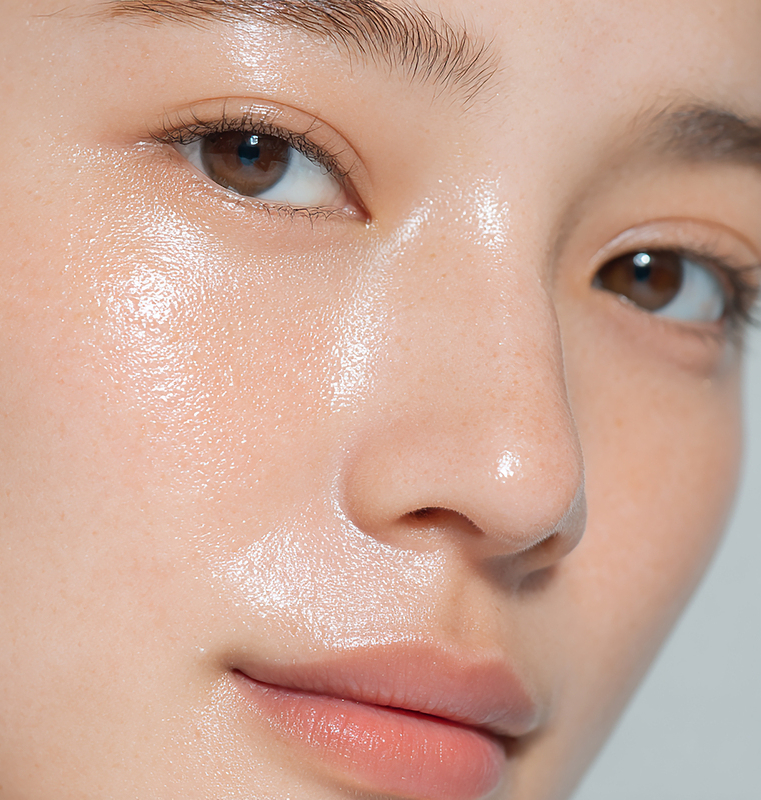
"Why Does Skin Texture
Become Rough?"
The skin continuously undergoes a renewal cycle,
repairing damaged cells and maintaining healthy skin function.
This natural recovery process follows the body's biological rhythm.
The average skin renewal cycle is commonly known to be around 28 days,
but this process gradually slows with age.
In addition, repeated exposure to stress, lack of sleep,
and UV radiation can further disrupt the skin’s ability to regenerate efficiently.
As skin renewal becomes less efficient, dead skin cells may not shed properly,
causing the skin surface to become thicker, rougher, and less radiant over time.
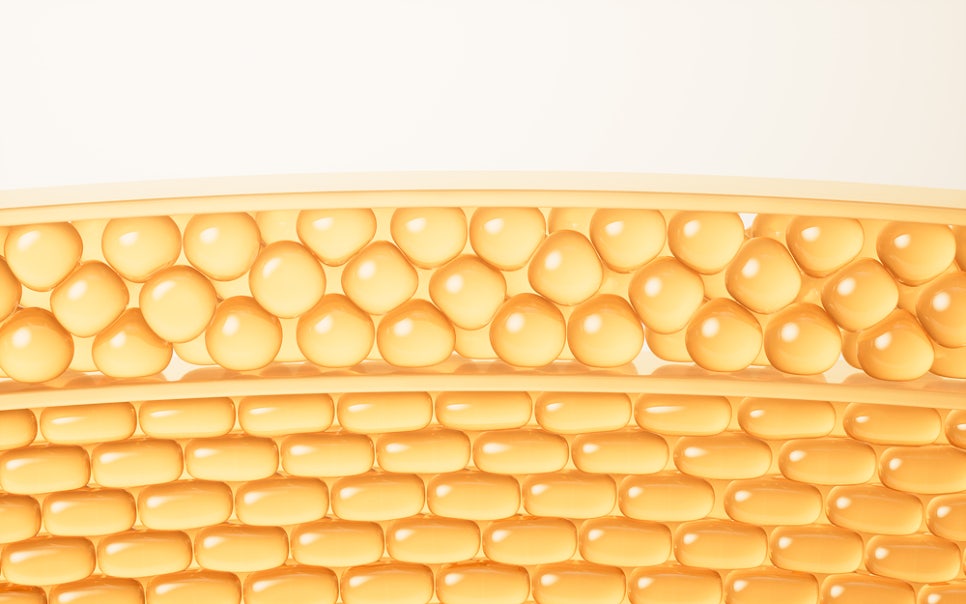
Furthermore, a decline in structural proteins
such as collagen and elastin can weaken the skin’s support system.
As skin loses firmness, enlarged pores may become more visible
and surface irregularities can appear more pronounced.
When moisture retention also decreases,
the skin may begin to feel dry, rough, and uneven.
For this reason,
changes in skin texture are rarely caused by oil production alone.
They are often the result of multiple factors working together,
including reduced elasticity, decreased skin density,
and a less efficient regenerative environment.
"What Should You Focus on
When Improving Skin Texture?
Effective skin texture treatment goes
beyond addressing the surface of the skin.
It is equally important to evaluate
and improve the skin’s internal environment.
Smooth, healthy-looking skin depends on a strong skin barrier,
balanced hydration, and consistent skin renewal.
When the skin barrier becomes compromised or chronic inflammation
and repeated heat exposure occur,
the skin may become increasingly sensitive and uneven.
In addition, a loss of dermal density can reduce structural support,
contributing to a rougher and less refined skin appearance.
For this reason, improving skin texture often involves
more than exfoliation or pore care alone.
Supporting healthy skin regeneration
and restoring elasticity are also important aspects of treatment.
"Skin Texture Care
Through Healthy Skincare Habits"
Aggressive scrubbing and excessive exfoliation can repeatedly
irritate the skin, potentially disrupting the skin barrier
and making the skin more sensitive over time.
Frequent extractions and repeated friction may also negatively affect
the surrounding tissue and interfere with the skin’s natural renewal process.
For this reason, effective skin texture management should focus on
minimizing unnecessary irritation while supporting the skin’s ability to recover.
Consistent hydration, daily sun protection,
and maintaining a healthy oil-moisture balance are among
the most important habits for preserving smooth, healthy-looking skin.
When the skin's recovery environment remains stable,
overall skin texture tends to improve naturally.
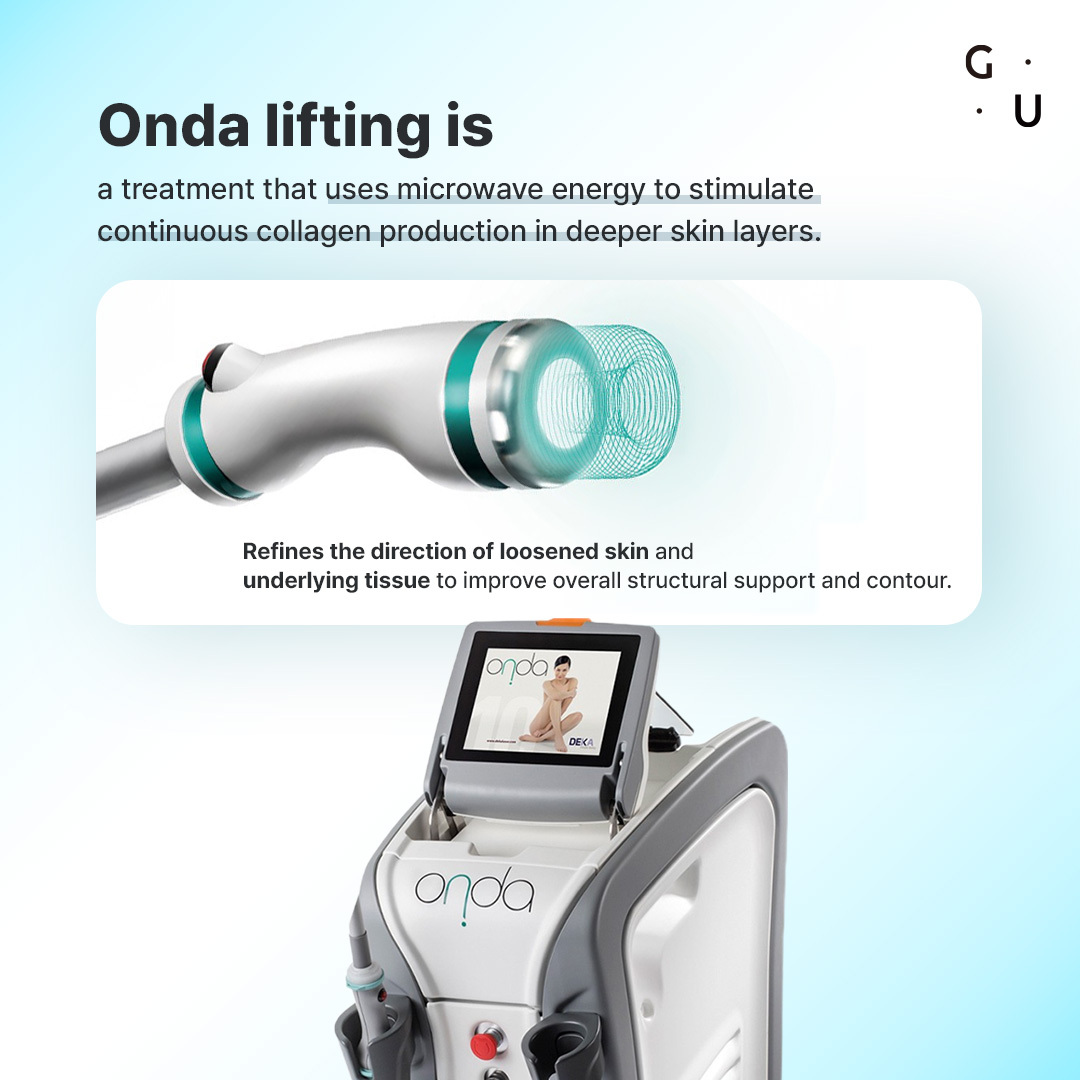
"ONDA Lifting for Skin Texture Changes
Associated with Skin Laxity"
Changes in skin texture are not always caused by surface-level concerns.
As skin loses firmness and support, enlarged pores
and uneven contours can become more noticeable,
affecting the overall appearance of skin texture.
ONDA Lifting utilizes microwave technology
to deliver energy into deeper tissue layers,
helping to improve skin firmness while addressing unwanted localized fat.
For individuals experiencing skin laxity, loss of facial definition,
and changes in skin texture simultaneously,
ONDA Lifting may help support a more refined appearance
by improving both contour and skin quality.
By addressing structural changes beneath the skin,
treatment can contribute to smoother-looking and more balanced skin texture.
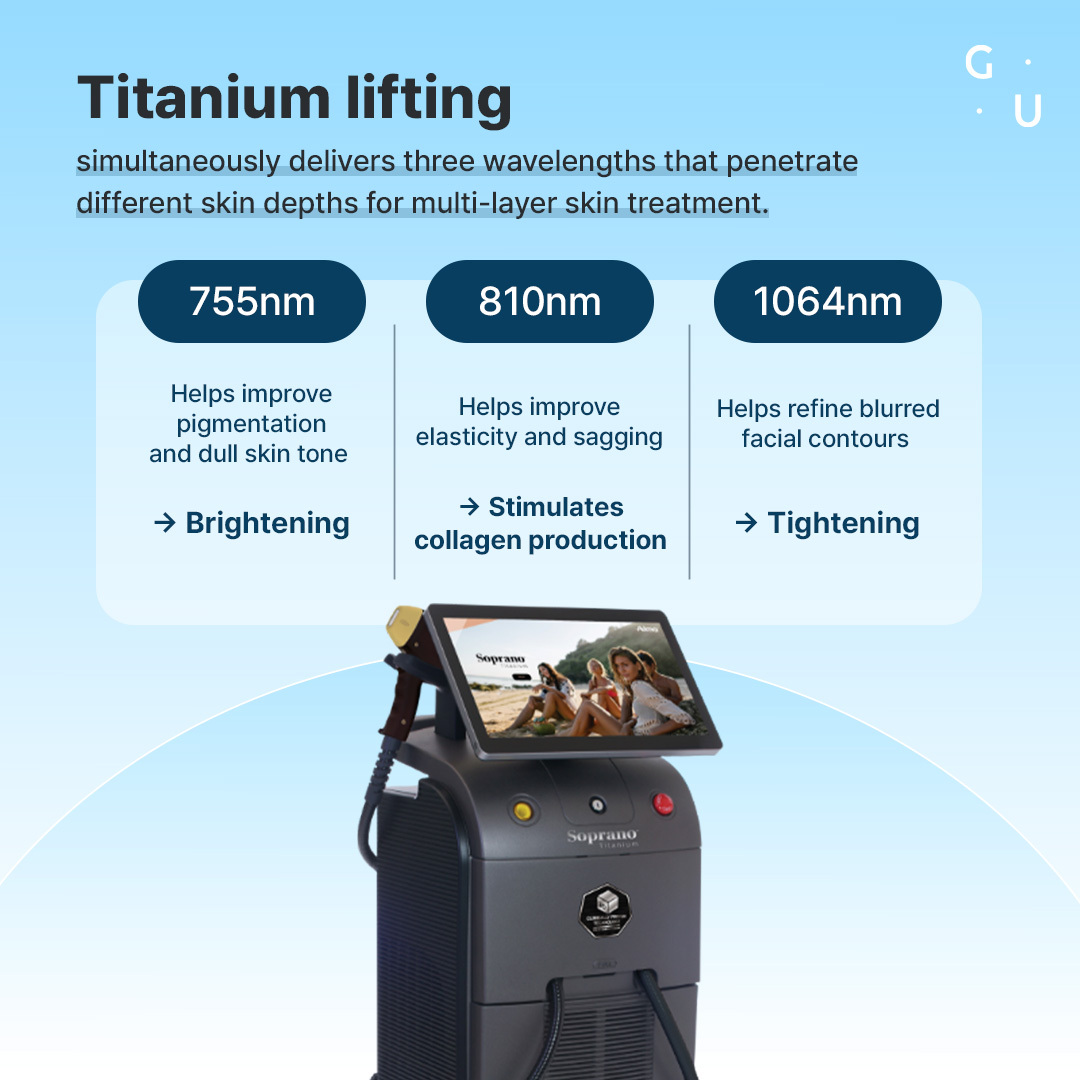
"Titanium Lifting
for Skin Density and Elasticity"
Titanium Lifting combines three wavelengths
to deliver multiple benefits simultaneously,
including brightening, lifting, and tightening effects.
Because skin texture is influenced not only by the surface
but also by skin density and elasticity,
improving these underlying factors can contribute to a smoother and healthier appearance.
By supporting dermal density and improving overall skin structure,
Titanium Lifting can help enhance firmness
while maintaining patient comfort throughout treatment.
(1) Skin feels rougher and less resilient than before
(2) Skin texture changes are accompanied
by a noticeable loss of firmness and elasticity
In these situations, treatment focused on improving skin density
and overall skin quality may provide meaningful improvement.

"Uneven Skin Texture May
Reflect Changes Beneath the Surface"
Because skin texture is visible on the surface,
it is easy to assume that the cause exists only on the surface as well.
In reality, many factors contribute to changes
in skin texture, including elasticity, skin renewal rate,
moisture retention, and dermal density.
For this reason, improving skin texture often requires
more than managing oil production or removing dead skin cells.
Creating an environment that supports healthy skin structure,
consistent regeneration, and long-term skin quality is equally important.
Meaningful improvement is often achieved
through a combination of healthy daily habits
and appropriate professional treatments.
Over time, these small but consistent efforts can contribute
to smoother, healthier-looking skin
and a noticeable improvement in overall skin quality.
Thank you for reading.
Kibum Park,
Medical Director, GU Clinic