

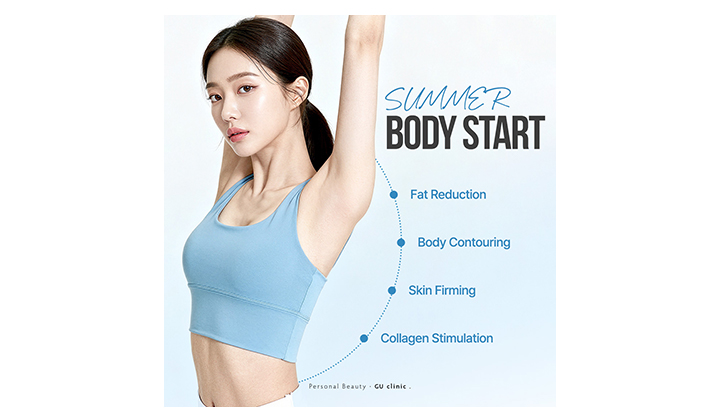
SUMMER BODY START
Benefits
- Fat Reduction
- Body Contouring
- Skin Firming
- Collagen Stimulation
Personal Beauty · GU clinic
Better Fit with ONDA Body Gangnam
If upper-arm fat and sagging remain after weight loss, both fat volume and skin elasticity should be assessed. Discover how ONDA Body and SCOOP injections differ.
SUMMER BODY START
Benefits
- Fat Reduction
- Body Contouring
- Skin Firming
- Collagen Stimulation
Personal Beauty · GU clinic .
Glow Up Clinic:A–Z Guide to Upper Arm Treatments |
"When Your Clothes Fit—
but Your Upper Arms Still Bother You"
We all have an outfit that looked perfect when we bought it
but somehow never feels quite right once we put it on.
Even when the body fits well, tight sleeves
or an uneven upper-arm contour can affect the overall silhouette.

If changing the size or color does not make much difference,
the issue may lie in the shape of the upper arms rather than the clothing itself.
The upper arms are prone to localized fat deposits.
When reduced skin elasticity is also involved, they may appear fuller
or more sagging than the amount of fat alone would suggest.
This is why many patients consider ONDA treatment for the upper arms in Gangnam
when they feel self-conscious wearing short sleeves or sleeveless clothing.
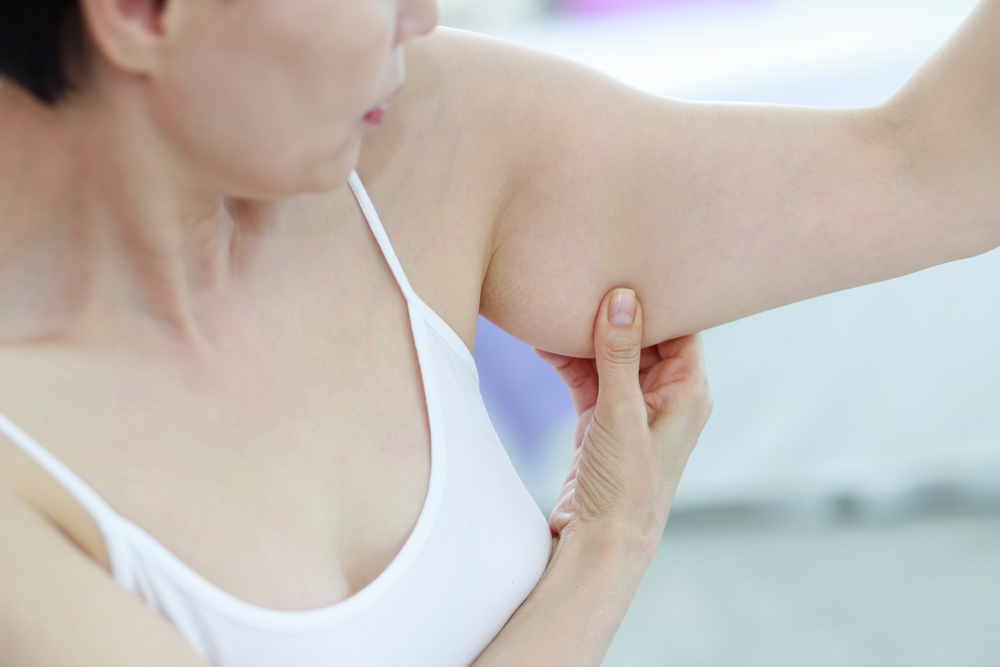
"Why Does Upper Arm Fat
Remain After Weight Loss?"
Losing weight does not reduce fat evenly across every area of the body.
Fat distribution is influenced by body shape, genetics, hormones, and lifestyle,
so the upper arms may retain fullness even after the rest of the body becomes slimmer.
As collagen and elastic fibers gradually decline with age,
the underside of the arms may also look loose
or move noticeably when the arms are raised.
Building arm muscles through exercise may not reduce their visible size
as expected when a layer of fat remains over the muscles.
This is why upper-arm concerns cannot always be addressed through weight loss alone.
Assessing the thickness of the fat layer, degree of skin laxity,
and muscle volume can help identify what is affecting the overall arm contour.
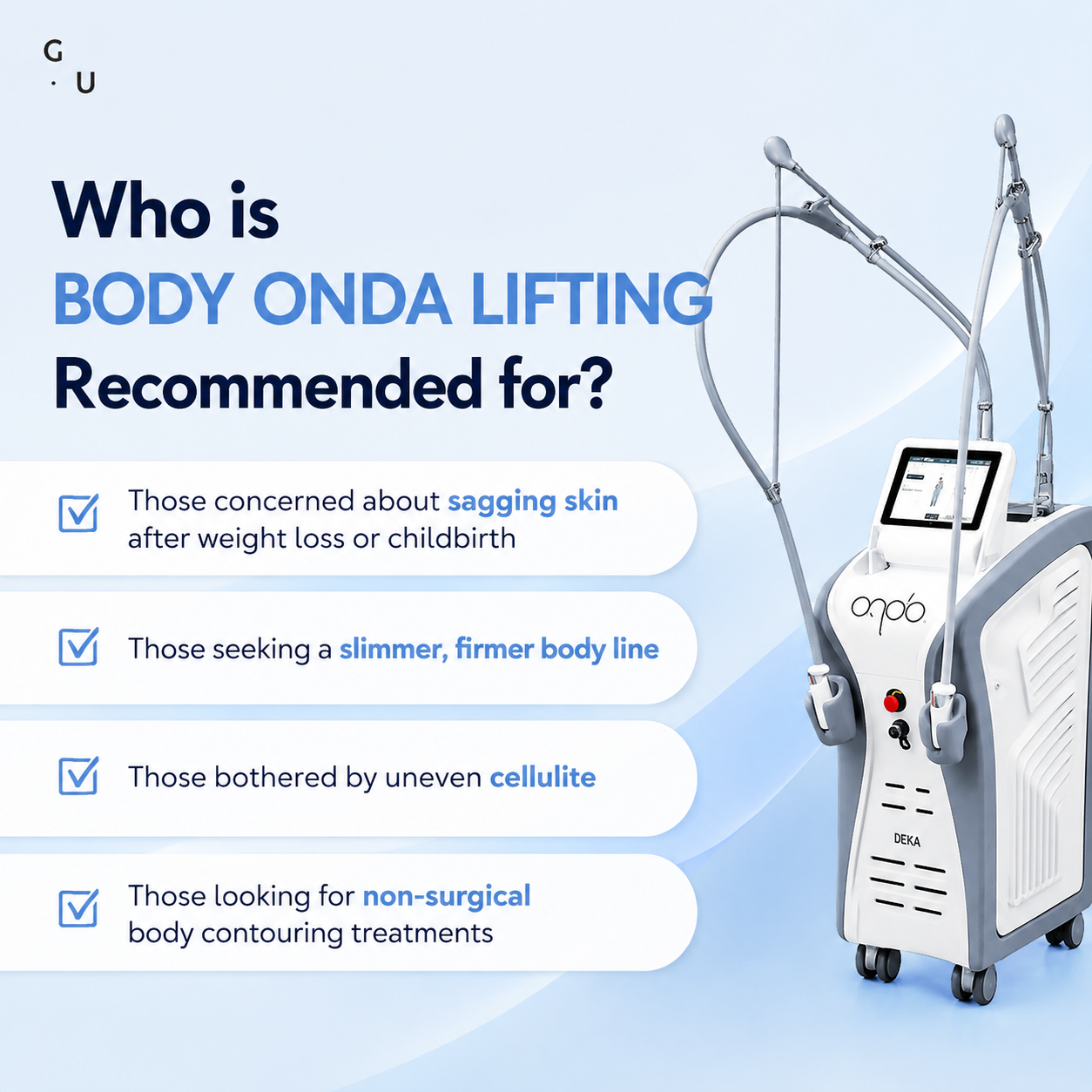
Who is BODY ONDA LIFTING Recommended for?
Recommended Candidates
- Those concerned about sagging skin after weight loss or childbirth
- Those seeking a slimmer, firmer body line
- Those bothered by uneven cellulite
- Those looking for non-surgical body contouring treatments
"Managing Upper Arm Fat and Firmness with ONDA in Gangnam"
ONDA is a non-invasive treatment that delivers
2.45 GHz microwave energy beneath the skin to
target localized fat and support firmer-looking skin.
Its integrated cooling system helps protect the skin’s surface,
while the energy level and treatment area can be adjusted according to
the thickness and condition of the upper arms.
ONDA Body uses handpieces designed to reach different tissue depths.
When localized fat is the primary concern, settings that target the deeper fat layer may be selected.
If skin laxity and reduced firmness are more noticeable,
a shallower treatment depth may also be incorporated.
The inner and outer upper arms can differ in fat thickness and skin elasticity.
Instead of applying the same energy uniformly across the entire arm,
treatment should be planned around the areas where fat or laxity is more pronounced.
Personal Beauty · GU clinic ·
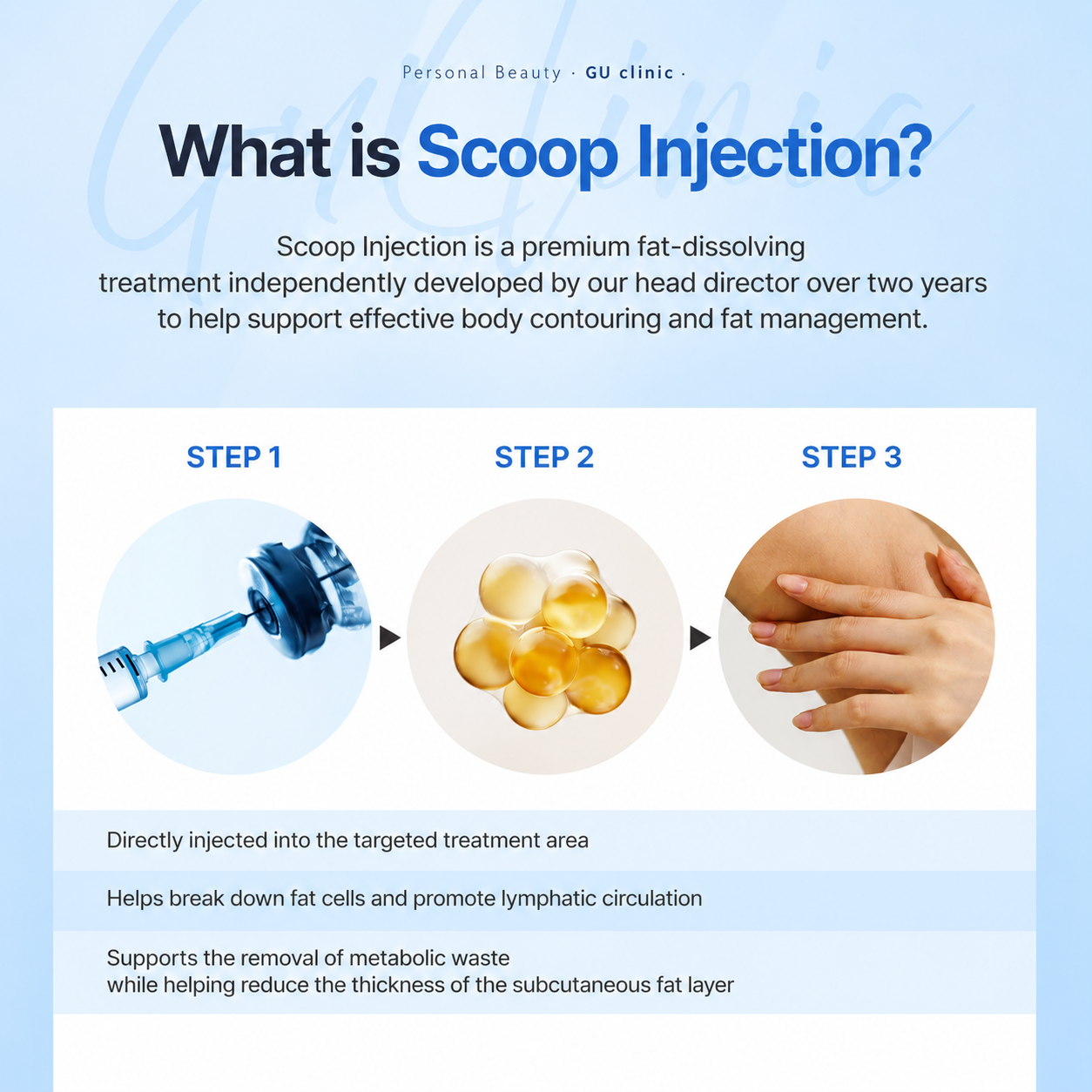
What is Scoop Injection?
Scoop Injection is a premium fat-dissolving treatment independently developed by our head director over two years to help support effective body contouring and fat management.
| Step | Description |
|---|---|
| STEP 1 | Directly injected into the targeted treatment area |
| STEP 2 | Helps break down fat cells and promote lymphatic circulation |
| STEP 3 | Supports the removal of metabolic waste while helping reduce the thickness of the subcutaneous fat layer |
"ONDA vs. SCOOP Injection:
What Is the Difference?"
If loose, moving skin is more noticeable when you raise your arms,
ONDA may be considered to improve firmness and refine the upper-arm contour.
If a thicker fat layer can be felt when the upper arm is pinched,
or fullness is concentrated in one area, SCOOP Injection
may be considered for targeted fat reduction.
The amount and injection sites should be determined
after assessing where the fat is concentrated
and how thick the underlying tissue is.
Temporary swelling, bruising, or tenderness may occur after treatment.
If you have an important event coming up,
the expected recovery period should be factored into your schedule.
When localized fat and skin laxity occur together,
a combination approach may be considered.
However, not every patient with upper-arm concerns needs both treatments.
If the skin is thin or the fat layer is limited,
treatment should be planned conservatively to reduce the risk of an uneven contour.
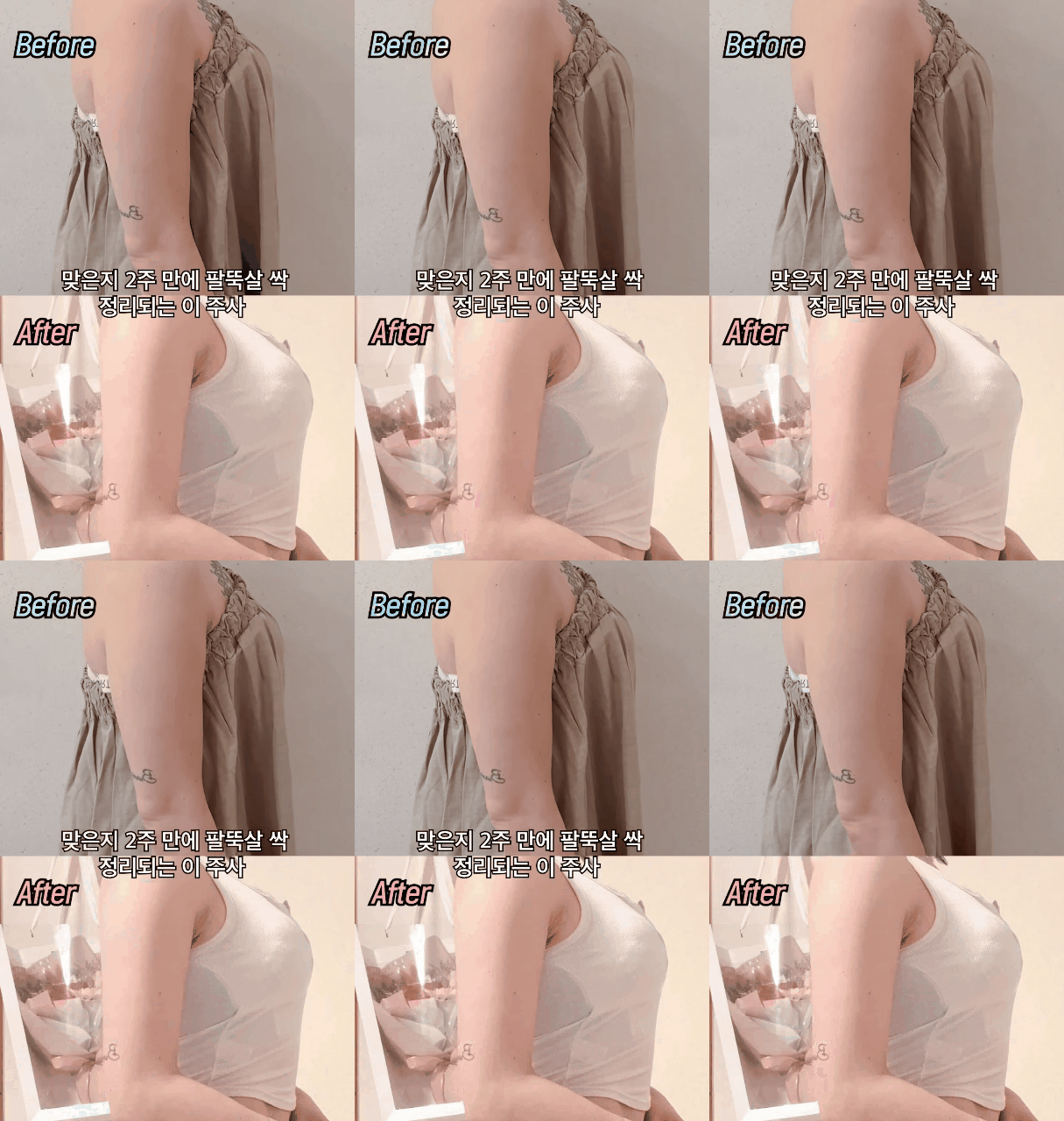
If changing styles and sizes has not resolved the issue,
the answer may lie in your upper-arm contour rather than your wardrobe.
Once the underlying cause has been identified,
a concern that once felt vague can become easier
to address with a more personalized plan.
If your upper arms have kept you from wearing the clothes you love,
consider starting with a detailed assessment
and a treatment plan tailored to your needs.
Thank you for reading.
Dr. Ki-beom Park(Chief Medical Director) - B.S. in Biotechnology, College of Engineering, Yonsei University - M.D. Yonsei University College of Medicine - Adjunct Professor, Graduate School of Integrative Medicine, CHA University - Co-founder of Gangnam Unni, a medical aesthetics information platform - Operator of Healing Breeze, a medical service organization (MSO) - Developer of GENABELLE, a K-Derma cosmetics brand - Developer of the CELLORA of GU brand |