G·U
Lift, texture, and firmness —all in one treatment!
Aptos Thread Lifting
hat Makes Aptos Thread Lifting Different?
Aptos Thread Lifting for Collagen Stimulation, Hydration, and Skin Firmness
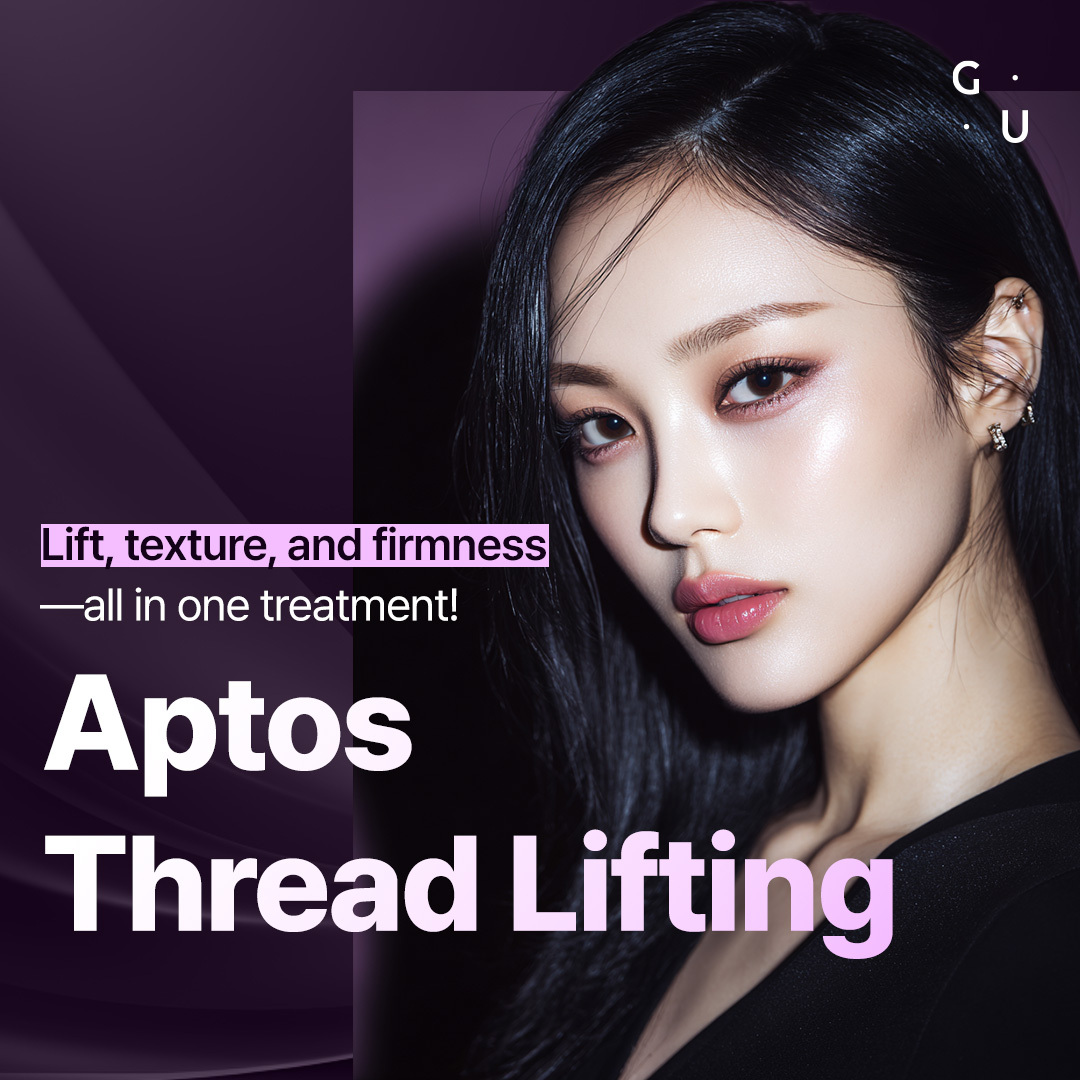
✔︎ The results didn't seem to last as long as I expected.
✔︎ The lifting effect wasn't as noticeable as I had hoped.
✔︎ Everything looked great immediately
after the procedure, but the results faded quickly.
Many people choose thread lifting after seeing
recommendations or impressive before-and-after photos.
However, not everyone is satisfied with the outcome.
For this reason,
more patients are becoming interested in Aptos Thread Lifting,
a treatment designed to provide lifting, improved skin texture,
and collagen stimulation at the same time.
In this article, we'll explore what makes Aptos Thread Lifting different
from conventional thread lifts and what to consider when choosing the right clinic.
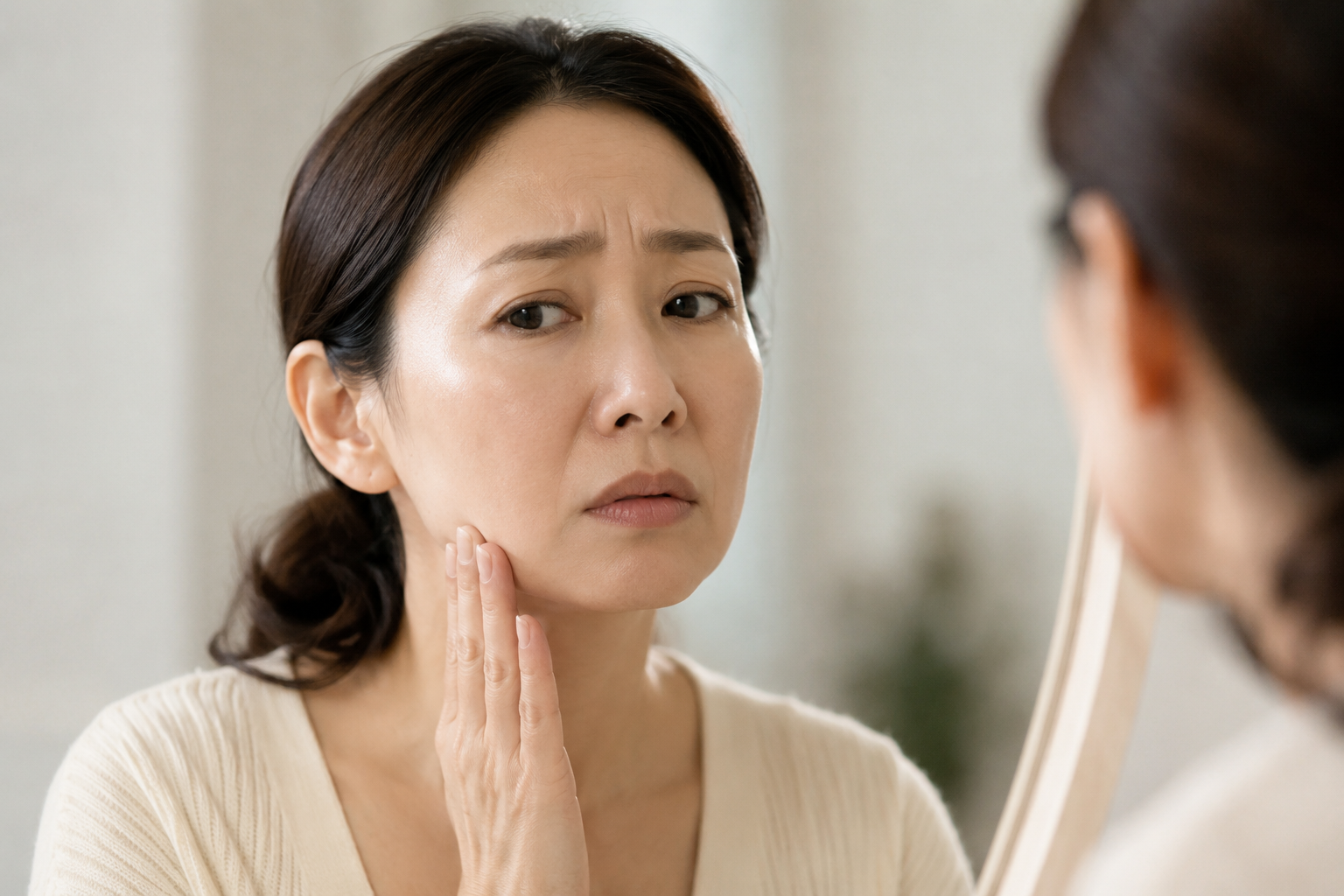
"Why Do Traditional Thread Lifts
Sometimes Feel Short-Lived?"
One of the most common reasons patients feel disappointed
with traditional thread lifting is the material used in many conventional threads.
Many absorbable threads are made from PDO (Polydioxanone),
a material that is gradually absorbed
by the body over approximately six to eight months.
As the thread dissolves, its tensile strength naturally decreases,
reducing its ability to support facial tissue against gravity.
In addition, some conventional thread designs have relatively simple barbs,
resulting in weaker tissue engagement.
This may increase the likelihood of thread movement or reduced lifting support over time.
For patients seeking longer-lasting results, both the absorption profile
and the mechanical strength of the thread are important considerations.
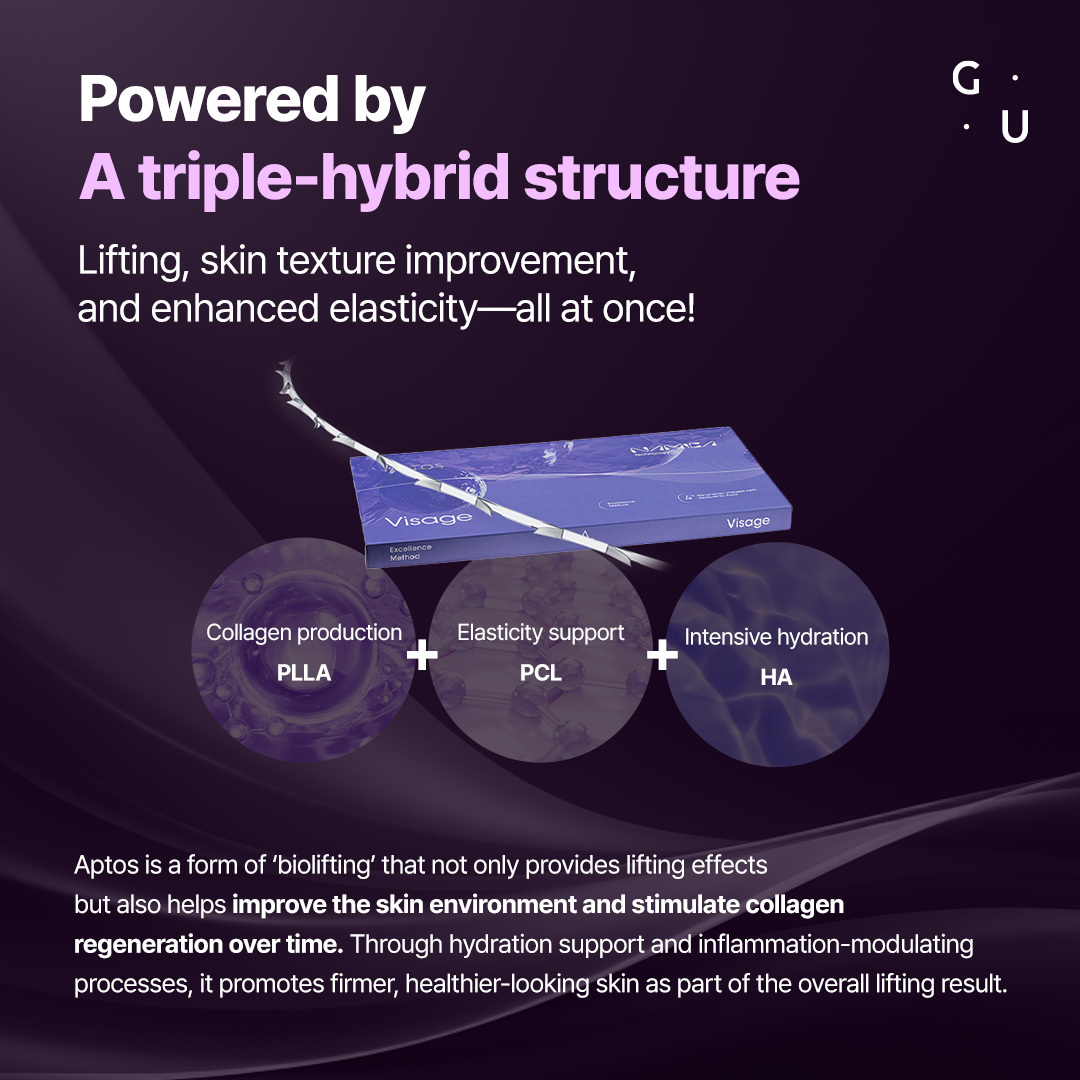
"What Makes Aptos Thread Lifting Different?"
Aptos Thread Lifting was developed to address many of the material
and structural limitations associated with conventional threads.
Rather than relying on a single material,
Aptos utilizes biocompatible absorbable materials
and a specialized barb design to improve both support and longevity.
Material | Medical-grade absorbable threads, including PDO, PLLA, and PCL |
Key Components | Biocompatible materials that are gradually absorbed by the body |
Structure | Specialized barbed thread design |
Mechanism of Action | Provides structural support while guiding tissue repositioning |
Key Features | Multiple thread types for customized treatment across different facial areas |
Treatment Areas | Jawline, deep cheeks, sagging cheeks, nasolabial folds, and more |
Expected Benefits | Improved facial contours, enhanced skin firmness, and lifting support |
Absorption Process | Naturally degrades and is gradually absorbed over time |
Additional Benefits | Supports collagen remodeling through the body's natural tissue response |
Injected Aptos threads typically remain in place for approximately one to two years,
although longevity may vary depending on the individual. During this period,
they continuously stimulate the production of collagen and elastin,
helping to improve skin firmness and support long-term tissue remodeling.
In addition, the polycaprolactone (PCL) component provides greater flexibility,
allowing the threads to move more naturally
with facial expressions while maintaining structural support.
Another distinguishing feature of Aptos Thread Lifting
is its asymmetric barb design.
Unlike conventional threads, the barbs are formed
while preserving the full thickness of the thread core,
resulting in greater tensile strength and improved durability.
The densely arranged asymmetric barbs engage soft tissue
from multiple directions, increasing the contact area
between the thread and surrounding tissue.
This wider distribution of support helps reduce concentrated tension at a single point,
minimizes thread slippage, and provides more stable tissue fixation throughout the lifting process.
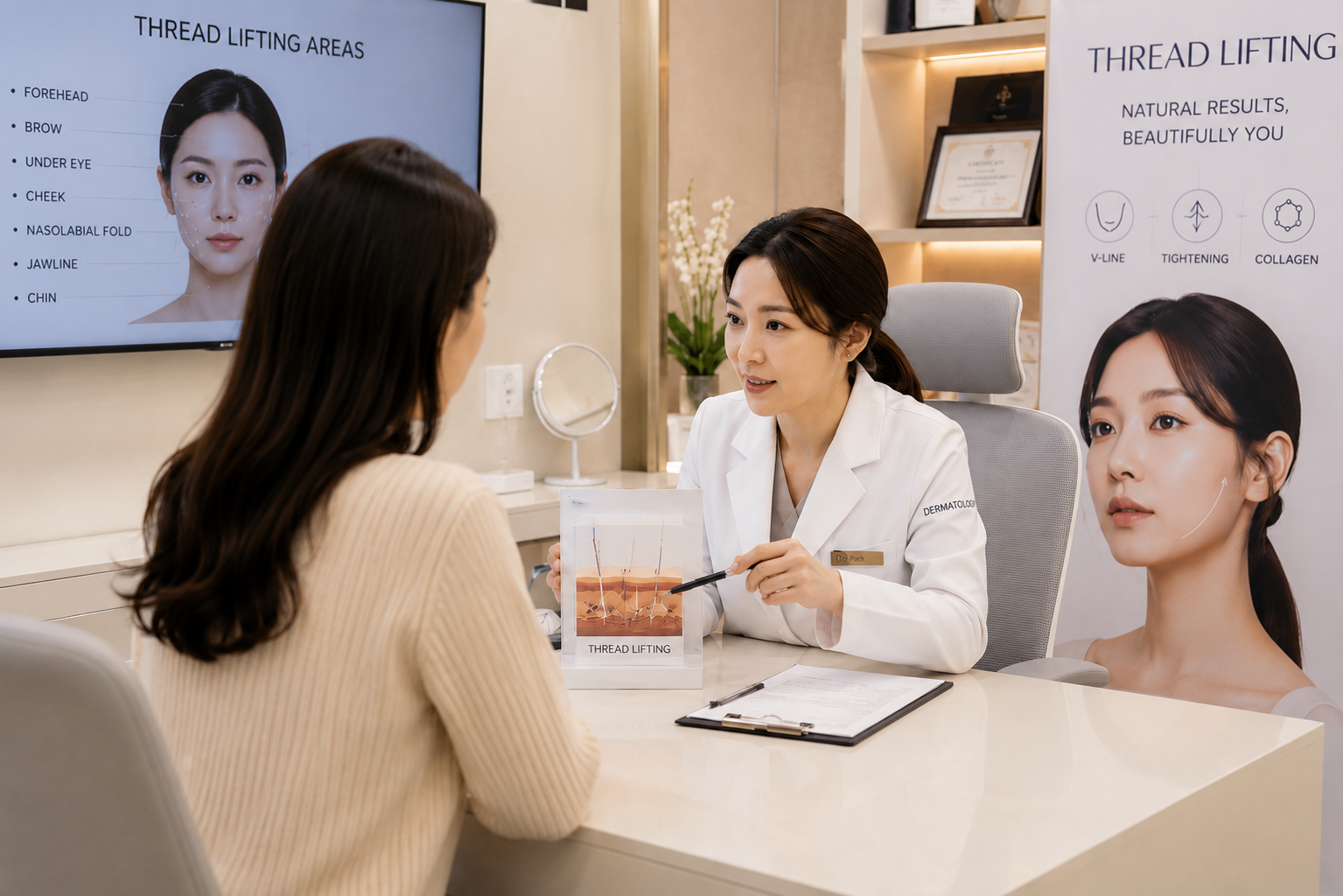
"More Than Lifting Alone"
One of the distinctive features of Aptos is its Namica 19 technology.
Rather than providing only a mechanical lifting effect,
the treatment is designed to support gradual skin rejuvenation
as the threads interact with surrounding tissue.
Immediately after treatment: Activation of hyaluronic acid capsules within the thread.
After 1–2 weeks: Improved skin hydration.
Over time: Gradual collagen production and enhanced skin firmness.
Instead of simply pulling the skin upward, the goal is to encourage
the skin's own regenerative response while maintaining natural-looking facial contours.
Successful thread lifting depends on understanding each patient's facial anatomy,
skin quality, degree of laxity, and natural aging pattern.
The choice of thread, insertion depth, lifting direction,
and tension should all be customized rather than standardized.
Because every face ages differently, a personalized treatment plan
is often one of the most important factors influencing the final outcome.

"A Personalized Approach
to Thread Lifting"
Effective thread lifting begins
with a comprehensive assessment of the skin,
underlying fascia, muscle layers, and facial support structures.
Understanding
which tissues contribute most to facial sagging allows treatment
to be planned more precisely while avoiding excessive tension
or an unnatural appearance.
The goal is not simply to create a tighter face,
but to restore balanced, natural-looking facial contours.
If you're considering Aptos Thread Lifting,
choosing a clinic that prioritizes individualized assessment
and treatment planning can be just
as important as the threads themselves.
Thank you.
Dr. Kibum Park
Medical Director, GU Clinic.