

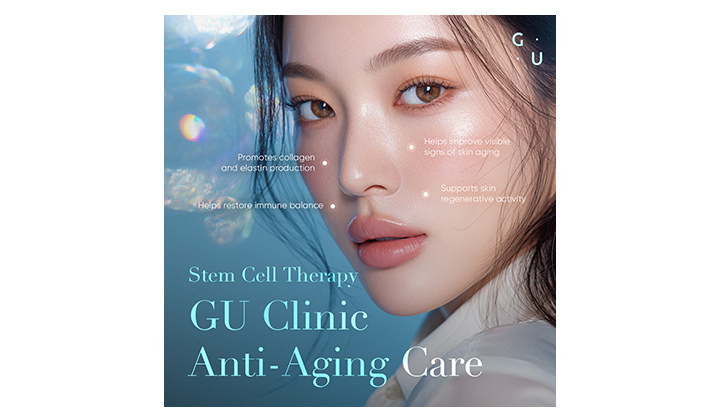
Stem Cell Therapy GU Clinic Anti-Aging Care
Benefits of Stem Cell Therapy
- Promotes collagen and elastin production
- Helps restore immune balance
- Helps improve visible signs of skin aging
- Supports skin regenerative activity
Stem Cell Therapy for Healthy Aging
Stem Cell Care That Transforms Your Regenerative Environment
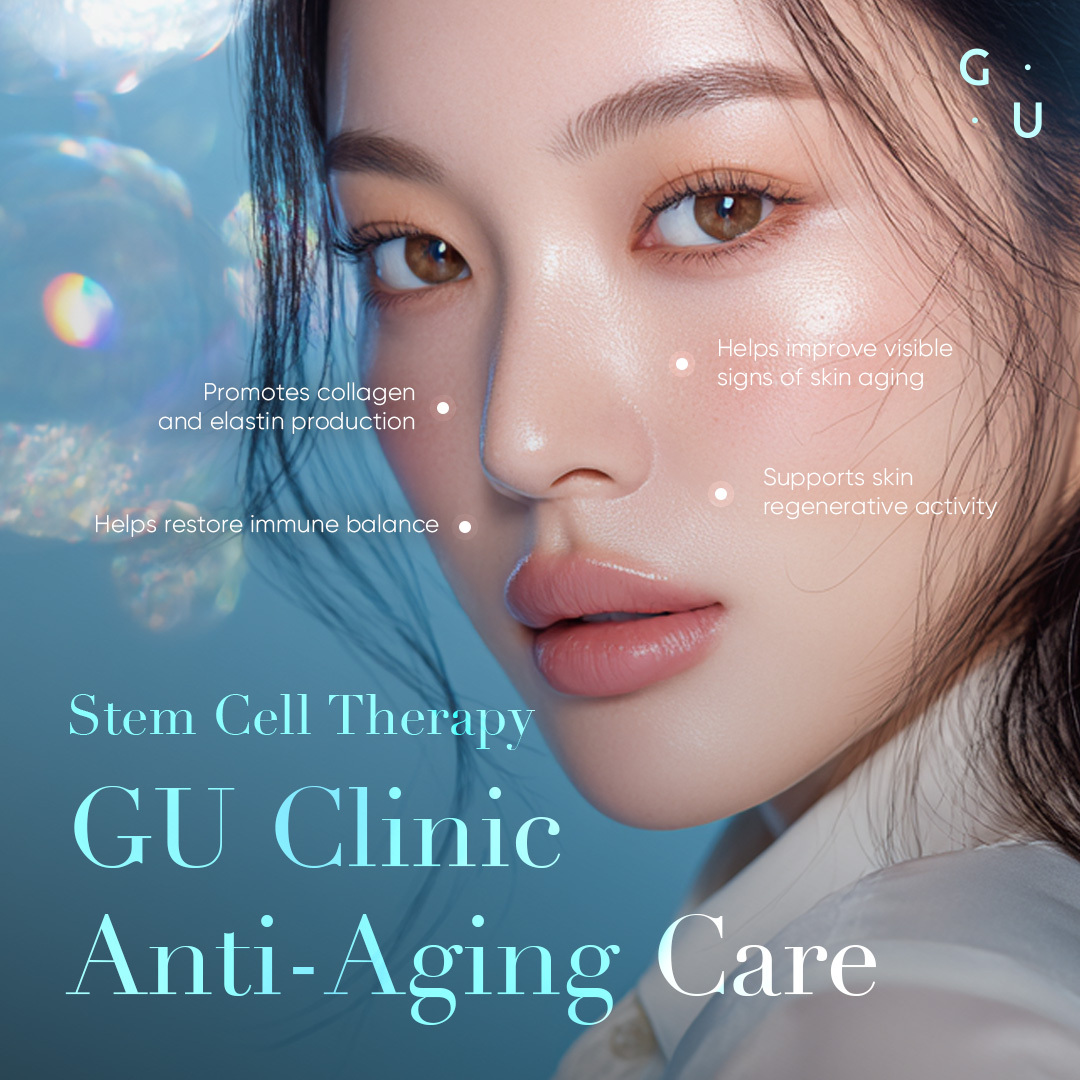
Stem Cell Therapy GU Clinic Anti-Aging Care
Benefits of Stem Cell Therapy
- Promotes collagen and elastin production
- Helps restore immune balance
- Helps improve visible signs of skin aging
- Supports skin regenerative activity
"Recovery Speed Determines
the Pace of Aging"
Even after getting seven or eight hours of sleep,
do you still feel exhausted from the day before?
Do you exercise regularly but feel like your stamina
and energy never truly improve?
These may be signs that your body's recovery system
is no longer functioning as efficiently as it once did.
Likewise, if you notice deeper wrinkles, reduced skin firmness,
or a general decline in skin quality when you look in the mirror,
your body may already be sending signals of age-related changes.

External stressors such as UV exposure, emotional stress,
and environmental factors can gradually accumulate within the body.
As this burden increases over time,
the body's natural regenerative capacity may begin to decline.
Even at rest, the body is constantly balancing cellular damage and repair.
However, when chronic inflammation develops,
regeneration becomes less efficient and recovery slows down.
To support healthy aging, it is important to restore the body's regenerative balance
and maintain an environment that allows recovery processes to function optimally.
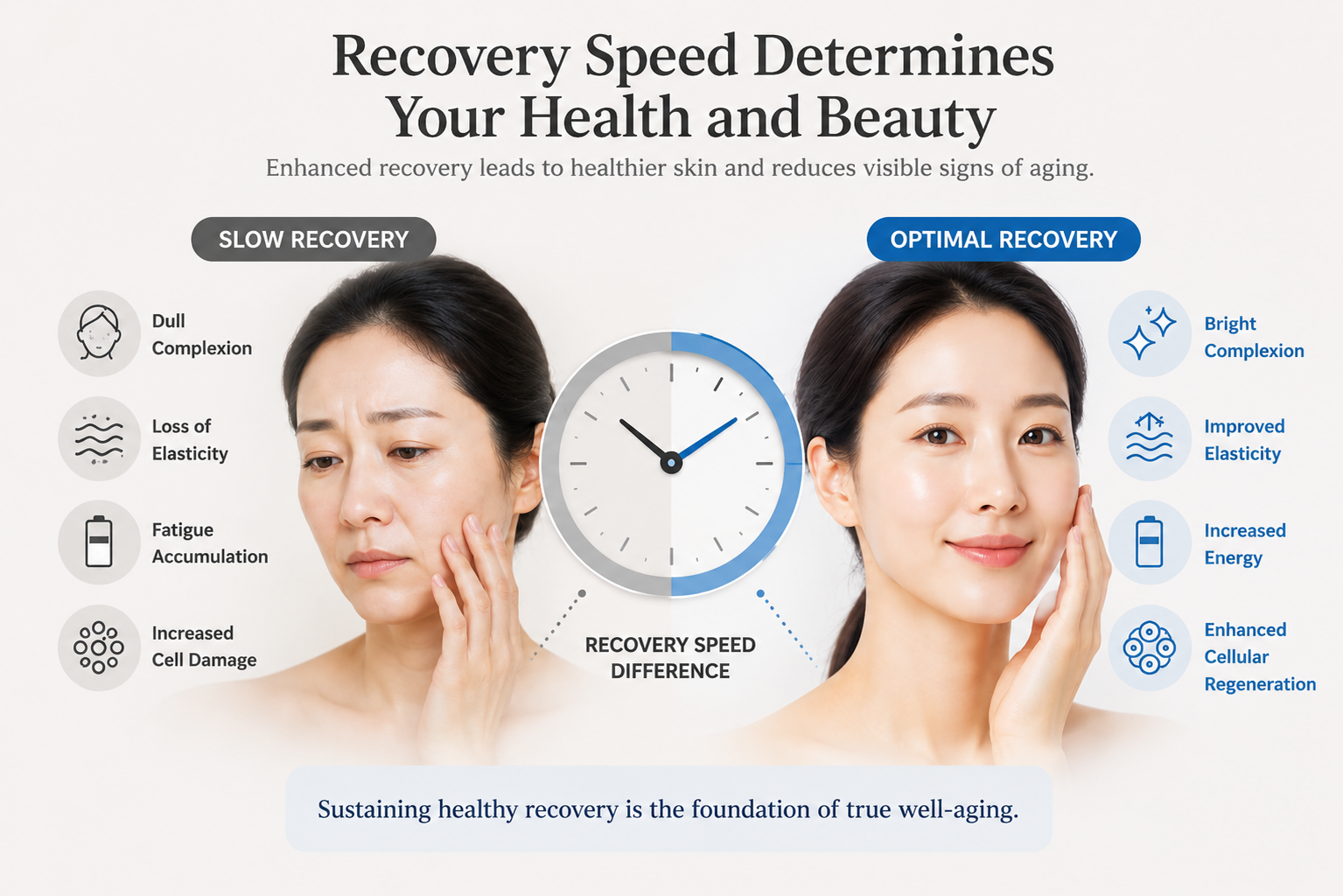
Recovery Speed Determines Your Health and Beauty
Enhanced recovery leads to healthier skin and reduces visible signs of aging.
RECOVERY SPEED DIFFERENCE
| Condition | Effect 1 | Effect 2 | Effect 3 | Effect 4 |
|---|---|---|---|---|
| SLOW RECOVERY | Dull Complexion | Loss of Elasticity | Fatigue Accumulation | Increased Cell Damage |
| OPTIMAL RECOVERY | Bright Complexion | Improved Elasticity | Increased Energy | Enhanced Cellular Regeneration |
Sustaining healthy recovery is the foundation of true well-aging.
"Why Does Recovery Slow Down Over Time?"
The human body continuously repairs itself in an effort to maintain balance.
However, modern lifestyles can interfere with this natural process.
Chronic stress, poor sleep habits, and unhealthy dietary patterns may contribute
to an inflammatory environment within the body.
As a result, recovery becomes less efficient than before.
Over time, this can lead to persistent fatigue,
decreased resilience, and a gradual decline in overall well-being.
Many people notice that conditions which once improved
after a single day of rest now linger for days.
In many cases, this reflects a gradual reduction in the body's ability to recover.
Aging is not simply a matter of visible changes on the surface.
It is also closely linked to the body's internal recovery and regenerative capacity.
"Why Recovery Matters"
When healthy recovery processes are consistently maintained,
both skin quality and overall physical condition tend to remain stable.
Conversely, when recovery slows, chronic inflammation may accumulate
and contribute to fatigue, reduced skin elasticity, and diminished sleep quality.
For this reason, modern stem cell–based healthy aging programs
increasingly focus on understanding
both the body's internal environment and its recovery capacity.
Maintaining long-term health requires
more than addressing surface-level concerns.
It involves evaluating whether cells are functioning properly,
identifying areas of accumulated damage,
and understanding how lifestyle and environmental factors influence recovery.
Through a comprehensive assessment,
more personalized regenerative strategies can be developed.

"Supporting a Healthier, Longer Life"
Stem cell healthy aging programs are not designed
to focus solely on isolated concerns such as pigmentation,
blemishes, or temporary cosmetic changes.
Instead, they aim to identify the underlying factors contributing
to visible signs of aging and support long-term regenerative health.
Although aging may seem to appear suddenly,
the body often provides subtle warning signs long before visible changes occur.
Reduced recovery capacity is one of the earliest indicators
that the body's regenerative balance may be changing.
Healthy longevity is rarely achieved through a single secret or shortcut.
Rather, it is built upon preserving the body's ability to recover,
adapt, and regenerate throughout life.
Thank you for reading.
Kibum Park,
Medical Director, GU Clinic