

Ultherapy PRIME Seoul : A Guide to Treatment Lines, Depths, and SMAS Layer Planning
Explore Ultherapy PRIME in Seoul and Gangnam, including how treatment line counts, depths, and SMAS layer planning are tailored to individual anatomy and lifting goals.

Ultherapy PRIME Seoul: A Guide to Treatment Lines, Depths, and SMAS Layer Planning
When researching Ultherapy PRIME,
several questions tend to come up:
How many treatment lines do I need?
At what depths is treatment performed?
Which tissue layers are targeted?
Even with the same device, the treatment approach can vary depending on the number of lines,
the selected depths, and how those lines are distributed across tissue layers.
For those considering Ultherapy in Seoul or Gangnam, this guide explains these three factors in turn.
Key Takeaways
|
What Is Ultherapy PRIME?
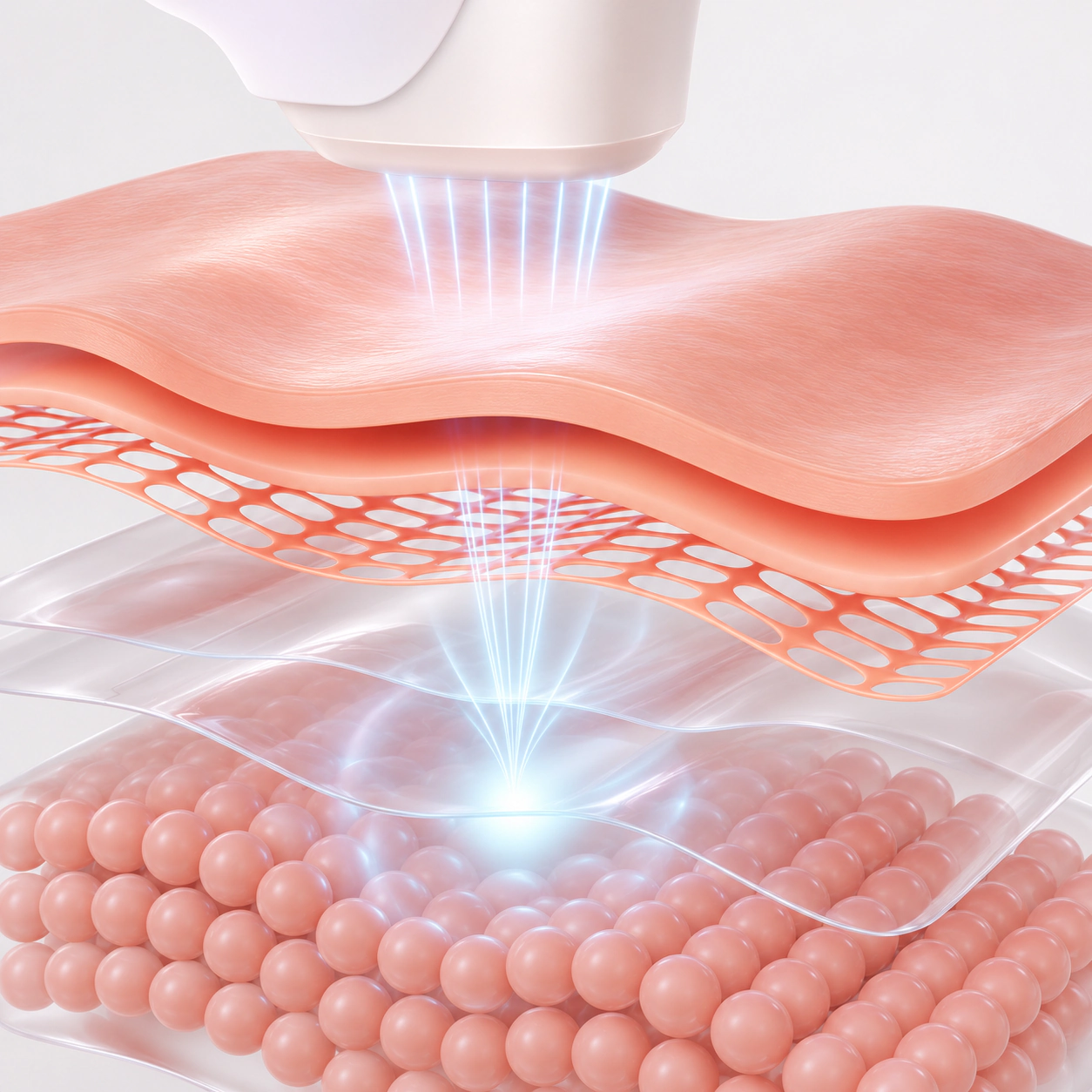
Ultherapy PRIME uses microfocused ultrasound to
deliver thermal energy at selected depths beneath the skin.
As a non-invasive treatment that does not require incisions,
it may be considered by people concerned about sagging or
reduced firmness who find surgical recovery burdensome.
Ultrasound imaging allows the clinician to view tissue during treatment and
use this information when selecting treatment depths and placement.
The treatment plan should reflect the tissue seen on imaging,
the area being treated, and the individual’s concerns.
Ultherapy PRIME is an updated Ultherapy platform featuring a larger, high-resolution screen,
a wider ultrasound imaging field, and a faster imaging refresh rate than the legacy system.
These updates support tissue visualisation and treatment workflow.
Treatment depths and line distribution still need to be tailored to individual anatomy.

What Can Influence Differences in Results?
| Factor |
|---|
| Treatment Depth |
| Layer Planning |
| Treatment Lines |
Illustrative treatment planning
What Can Influence Differences in Results?
Even with the same device, different treatment plans change
where energy is delivered and how it is distributed.
Three elements shape the plan:
Depth: Determines the tissue depth at which energy is delivered.
Layer distribution: Determines how treatment is divided between depths within a particular area.
Line count: Determines the total number of treatment lines according to the area and treatment goals.
📌Layer-by-Layer Planning at a Glance
The table below outlines commonly discussed treatment depths.
Actual tissue anatomy varies, so a nominal depth does not correspond to
the same anatomical layer in every person or treatment area.
Nominal Depth | Tissue Layer Considered | Treatment Focus | Concerns Discussed |
|---|---|---|---|
4.5 mm | Deeper supporting tissue, which may include the SMAS depending on local anatomy | Addressing laxity through treatment of deeper supporting structures | Sagging cheeks and reduced jawline definition |
3.0 mm | Deeper dermal or subdermal tissue, depending on local anatomy | Supporting collagen remodelling and firmness | Reduced skin firmness |
1.5 mm | More superficial dermal tissue | Addressing superficial skin concerns | Fine lines and skin texture |
Layer-by-layer planning involves selecting appropriate depths for the concern and
anatomy rather than automatically using one depth—or every depth—throughout the face.


A Guide to Ultherapy PRIME Treatment Lines
🔎 How Is the Number of Lines Determined?
The number of treatment lines is tailored rather than fixed. Factors considered include:
The size of the treatment area: full face or selected areas.
The degree and location of sagging.
Skin thickness and fat distribution.
The treatment goal, such as improving firmness or refining the jawline.
Previous treatments and the time since they were performed.
✅ A Framework for Planning by Area
Area | Main Concerns | Depth-Planning Considerations |
|---|---|---|
Brow region | Brow laxity and position | Assessment of suitable treatment sites and depths, avoiding the eyes, eyelids, and areas within the orbital rim |
Midface: cheeks and nasolabial area | Cheek sagging and nasolabial folds | Assessment of deeper supporting tissue and dermal treatment depths |
Jawline and lower face | Reduced jawline definition | Assessment of appropriate depths for deeper tissue treatment |
Under the chin | Submental laxity | Depth selection based on tissue thickness and underlying anatomy |
Full face | Generalised loss of firmness | A combination of depths tailored to each treatment area |
The same line count can be distributed differently across areas and depths.
When comparing treatments, ask about the reasoning
behind the plan rather than comparing line counts alone.
✅ What to Check When Choosing Ultherapy PRIME in Seoul
Does the clinician explain which tissue depths will be treated for your concerns?
Do they explain how the number of treatment lines is determined?
Is ultrasound imaging used during treatment to assess tissue layers?
Can the authenticity of the device and transducers be verified?
Is it explained whether treatment should be completed in one session or planned in stages?

Frequently Asked Questions
Q. Do more treatment lines mean better results?Not necessarily. Treatment lines need to be distributed appropriately across areas and depths. Treatment that is excessive for the tissue condition may increase discomfort and risk. |
Q. What does SMAS lifting mean?The superficial musculoaponeurotic system, or SMAS, is a supporting tissue layer associated with the facial muscles and facial sagging. The term “SMAS lifting” is often used when discussing treatments directed towards this deeper supporting layer. Ultherapy uses ultrasound energy rather than the surgical repositioning performed during a facelift. The actual tissue reached depends on the treatment depth and individual anatomy. |
Q. Is Ultherapy PRIME suitable for me?Suitability depends on the location and degree of your concerns, tissue thickness, fat distribution, and previous treatments. If you have previously had Ultherapy or another lifting treatment, tell your clinician when it was performed and share any available treatment details. |
Q. Can I return to everyday activities immediately?Many people can resume everyday activities, although recovery varies. Temporary redness, tightness, or tingling may occur after treatment. Clinics may advise sun protection and temporarily avoiding high temperatures, such as saunas, as well as strenuous exercise and alcohol. Follow the instructions provided by your treating clinic. Burns, nerve-related effects, and unintended fat loss have also been reported. Contact your treating clinic promptly if you develop severe pain, blisters, persistent or worsening numbness, or facial muscle weakness. |
Q. When do results become noticeable?Changes generally develop gradually over several months as collagen remodelling takes place. The timing and extent of visible improvement vary between individuals. |

CHECK LISTS
- ☑
- ☐
- ☑
- ☐
- ☑
- ☑
- ☐
- ☐
Bringing the Treatment Plan Together
Ultherapy PRIME planning involves more than the total number of treatment lines.
The selected depths, tissue layers, and distribution of energy also shape the treatment approach.
This guide has outlined the commonly discussed treatment depths of 4.5 mm, 3.0 mm, and 1.5 mm,
along with the factors used to plan treatment lines by area.
If you are considering Ultherapy PRIME in Seoul ask how the proposed line count and
depth distribution relate to your own anatomy and concerns.
This article provides general information and does not replace individual diagnosis or treatment advice.
Results, recovery, and adverse reactions vary. Consult a qualified medical professional before treatment.
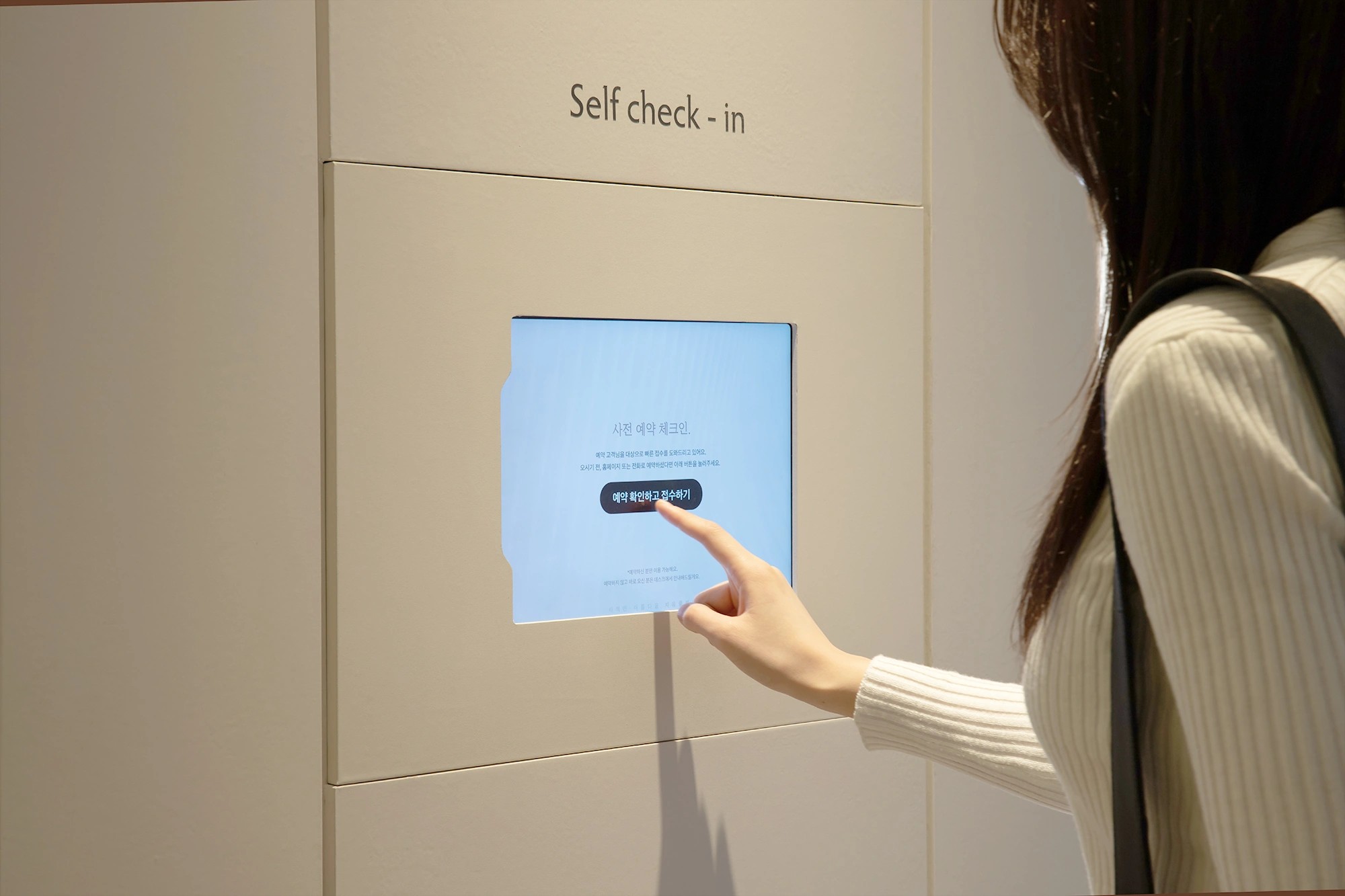
Self check-in
사전 예약 체크인
예약 고객님을 대상으로 빠른 접수를 도와드리고 있어요. 오시기 전, 홈페이지 또는 전화로 예약하셨다면 아래 버튼을 눌러주세요.
예약 확인하고 접수하기
- *예약하신 분만 이용 가능해요.
- 예약하지 않고 바로 오신 분은 데스크에서 안내해드릴게요.
"GU Clinic Gangnam Information"
Designated by the Ministry of Health and Welfare
as an Advanced Regenerative Medicine Institution
(Designation No. Regeneration-1-0036)
54 Seocho-daero 77-gil, Seocho-gu, Seoul
W Tower, 3rd and 4th Floors
* Near Sinnonhyeon Station Exit 7 and Gangnam Station
* Main line: +82-2-6241-0096
* Weekdays: 10:30 AM–9:00 PM
* Saturdays, Sundays, and public holidays: 10:30 AM–7:00 PM
(Closed on Lunar New Year’s Day and Chuseok)
*25 physicians
(Including specialists in plastic surgery,
dermatology, and family medicine)
Consultations available in
Korean · English · Simplified Chinese · Traditional Chinese · Japanese
* GU Clinic also operates an Ilsan location
Care is led by Dr. Ki-beom Park, Chief Medical Director.
B.S. in Biotechnology, College of Engineering, Yonsei University
M.D., Yonsei University College of Medicine
* Adjunct Professor, Graduate School of Integrative Medicine, CHA University
* Co-founder of Gangnam Unni, a medical aesthetics information platform
* Founder and CEO of Healing Breeze, a medical service organization (MSO)
* Developer of GENABELLE, a K-derma cosmetics brand
* Developer of CELLORA of GU