

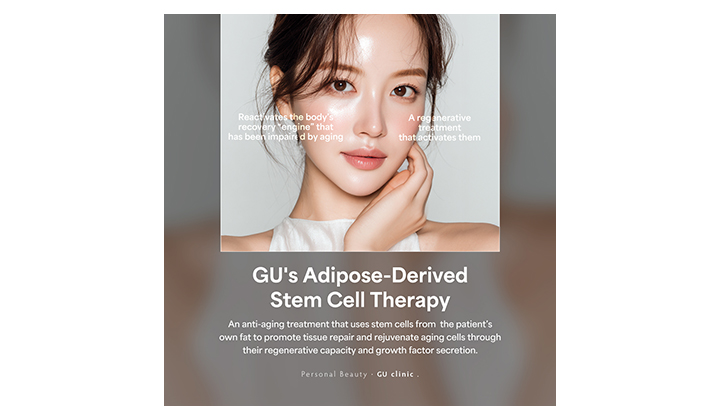
Reactivates the body's recovery "engine" that has been impaired by aging
A regenerative treatment that activates them
GU's Adipose-Derived Stem Cell Therapy
An anti-aging treatment that uses stem cells from the patient's own fat to promote tissue repair and rejuvenate aging cells through their regenerative capacity and growth factor secretion.
Personal Beauty · GU clinic
Recurrent Skin Inflammation: Why Stem Cell Therapy
Adipose-Derived (Fat) Stem Cells: Designed to Support Cellular Renewal
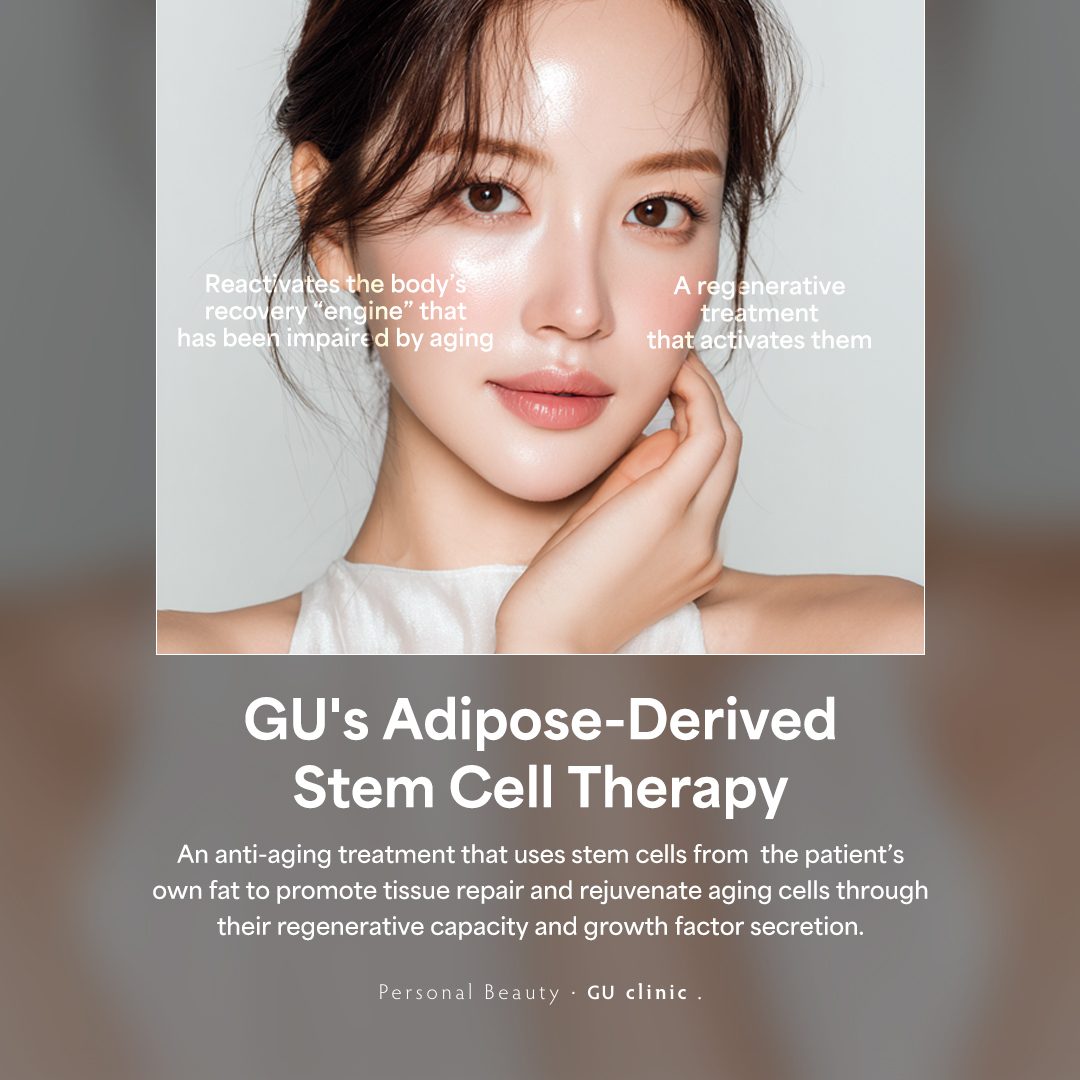
Reactivates the body's recovery "engine" that has been impaired by aging
A regenerative treatment that activates them
GU's Adipose-Derived Stem Cell Therapy
An anti-aging treatment that uses stem cells from the patient's own fat to promote tissue repair and rejuvenate aging cells through their regenerative capacity and growth factor secretion.
Personal Beauty · GU clinic .
'Even with regular care, why does my skin
seem to deteriorate again so quickly?'
Hello,
I’m Dr. Conan,
Medical Director of GU Clinic.

Skin that flushes easily, experiences repeatedly recurring breakouts,
or show noticeably slower recovery after procedures
is not always simply a matter of skin type.
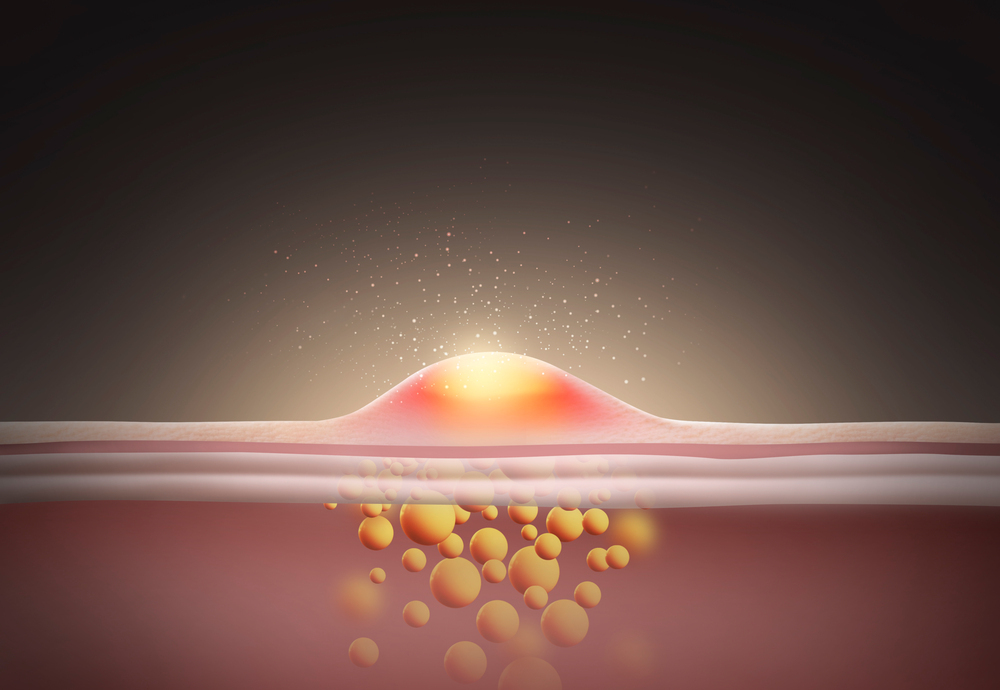
In many cases, these signs are associated with the development
of a chronic inflammatory environment within the skin tissue.
When inflammation becomes persistent at a structural level,
surface-level treatments alone inevitably reach their limits.
This is why Gangnam adipose-derived stem cell therapy,
which focuses on helping regulate inflammatory conditions
within the skin, has been gaining attention.

“Why Does Chronic Inflammation Develop
and Continue to Recur in the Skin?”
Our skin, like the rest of the body, is continuously
exposed to external and internal stressors.
Factors such as UV radiation, fine dust,
repeated aesthetic procedures,
insufficient sleep, and ongoing stress continuously
send inflammatory signals to the skin.
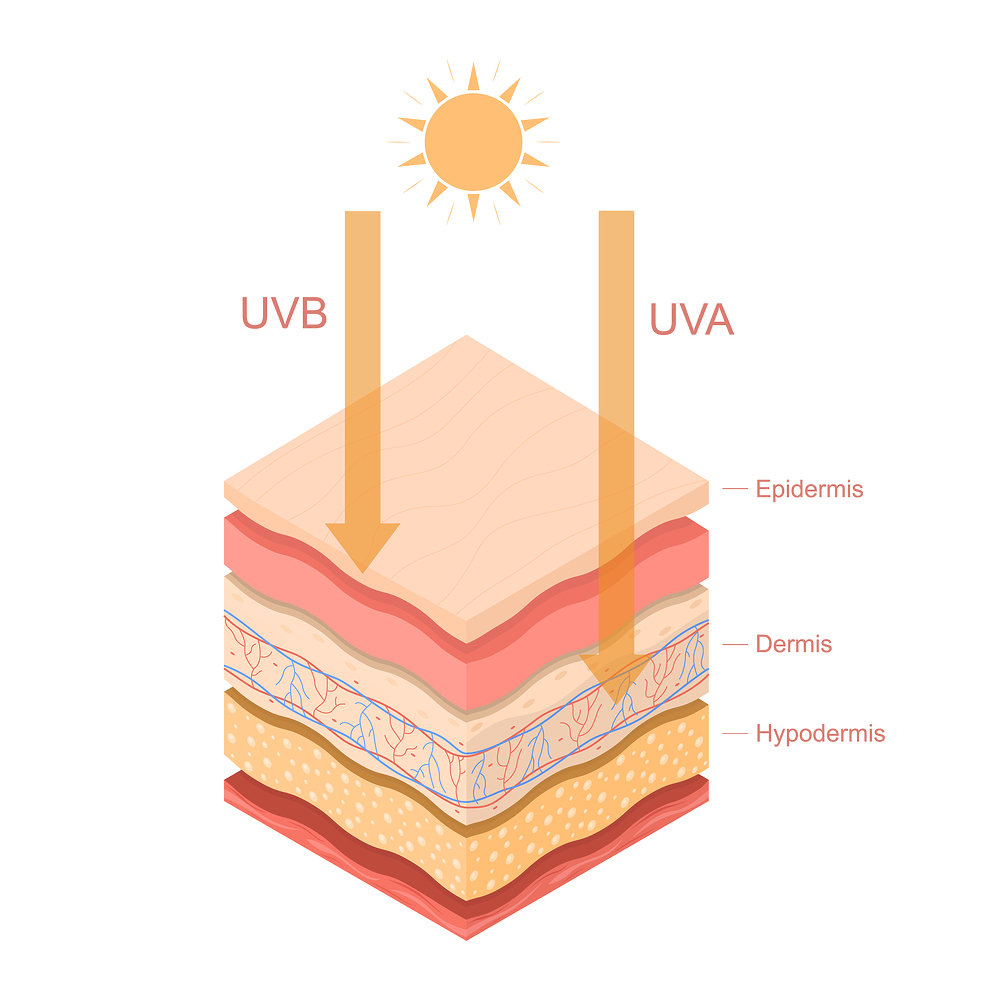
UV Radiation Penetration in Skin Layers
| UV Type | Penetration Depth | Affected Skin Layer |
|---|---|---|
| UVB | Shallow | Epidermis |
| UVA | Deep | Dermis |
Skin Layers
- Epidermis
- Dermis
- Hypodermis
When these factors accumulate, inflammation may not fully resolve;
over time, the skin can lose its normal regeneration rhythm,
and the process may repeat in cycles.
As this continues, the skin barrier weakens, and the skin
may become more reactive to even minor stimuli,
leading to recurring redness, irritation, or flare-ups.
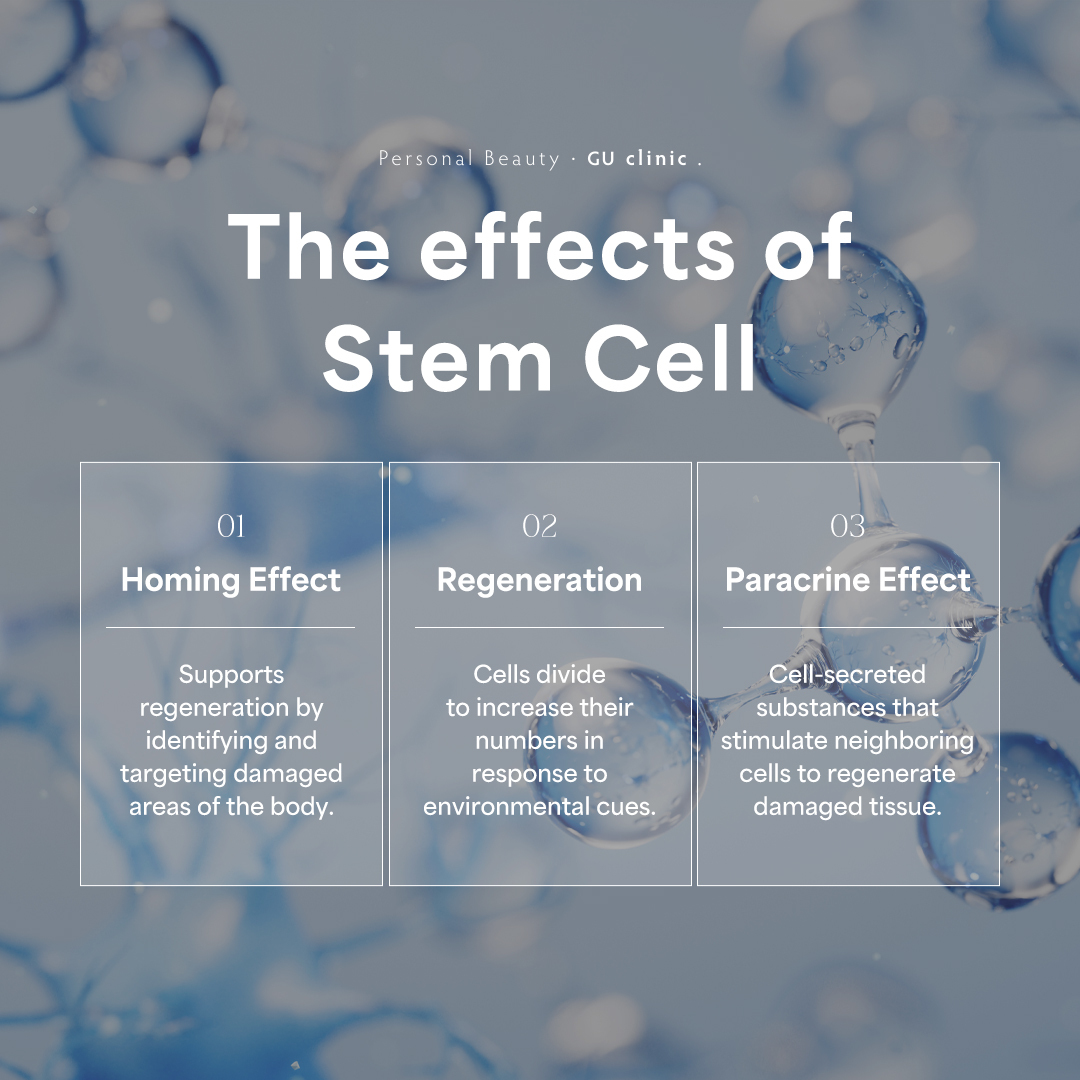
Personal Beauty · GU clinic
The effects of Stem Cell
| number | title | description |
|---|---|---|
| 01 | Homing Effect | Supports regeneration by identifying and targeting damaged areas of the body. |
| 02 | Regeneration | Cells divide to increase their numbers in response to environmental cues. |
| 03 | Paracrine Effect | Cell-secreted substances that stimulate neighboring cells to regenerate damaged tissue. |
“Gangnam Adipose-Derived Stem Cell Therapy
for Supporting Recovery in Chronic Inflammatory Skin”
Stem cells are cells that have not yet specialized
into a single function, allowing them to act in multiple ways
depending on the environment.
They can be obtained from several sources,
including blood, bone marrow, and adipose tissue.
Adipose-derived stem cell therapy utilizes
a patient’s own adipose tissue to isolate stem cells.

These cells naturally localize to areas requiring regeneration,
where they contribute to a fibroblast-like supportive role.
Within the skin tissue, they help to modulate inflammatory responses
and support a more stable recovery environment.
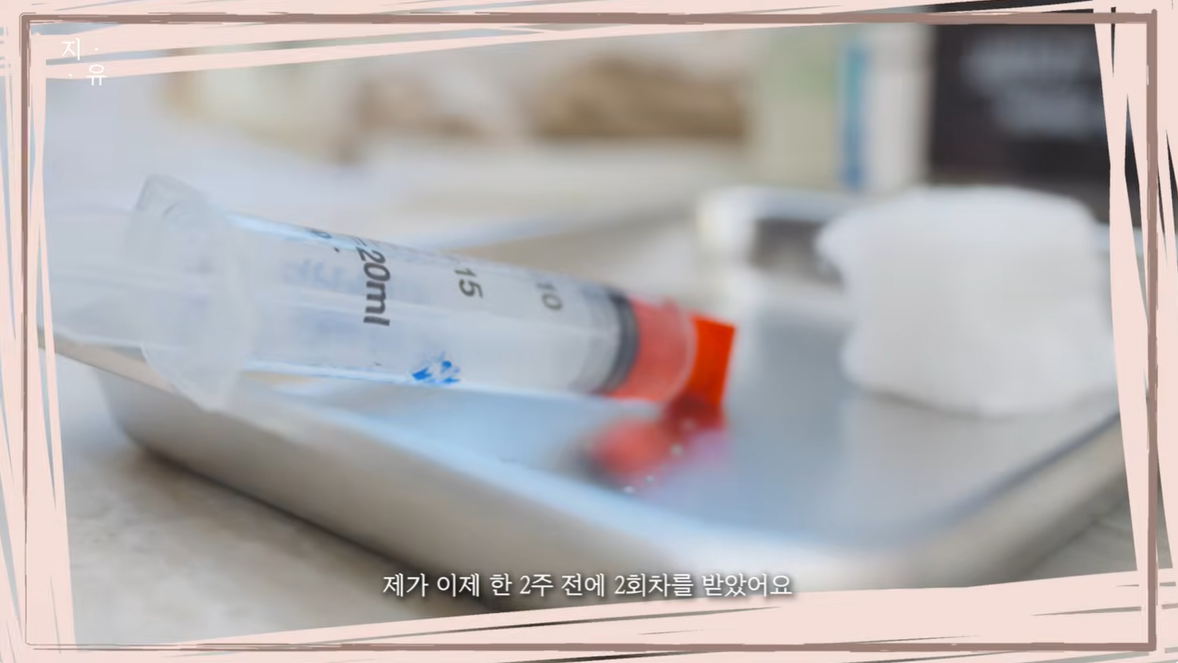
지·유
제가 이제 한 2주 전에 2회차를 받았어요
“Adipose-derived Stem Cell Treatment Process”
Rather than simply introducing new cells,
this approach focuses on regulating inflammatory activity
and delivering regenerative signals to the skin.
The general process includes:
Adipose tissue collection
Selection and purification of high-quality stem cells
Targeted injections into the desired areas to support recovery.
Through this structured approach, patients may experience
improvement in damaged skin recovery,
as well as a return of vitality and elasticity.
However, it is essential that an accurate pre-treatment assessment
of the skin’s inflammatory condition and recovery capacity is conducted
prior to treatment, followed by a step-by-step treatment plan
based on patient’s condition.
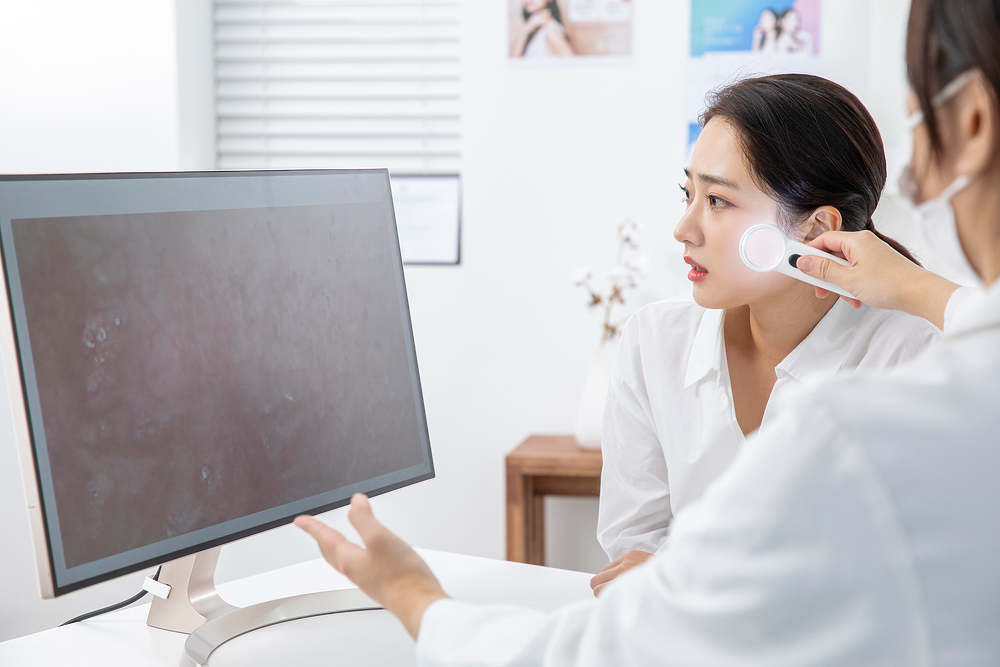
“What to Look for When Choosing a Clinic”
When considering Gangnam adipose-derived stem cell therapy,
it is important to select a clinic that can design a treatment approach
aligned with your individual goals.
It is equally important that the medical team possesses
a thorough understanding of skin regeneration
and inflammatory regulation, then reflects this expertise
in a structured treatment protocol.
Given that each skin responds uniquely,
a personalized assessment and carefully designed plan
are key to achieving meaningful outcomes.
“Are You Feeling Discouraged
by Skin That Feels Different Than Before?”
While aging is inevitable,
the way we care for our skin remains a choice.
If you are seeking a more fundamental approach
beyond surface-level care,
Gangnam adipose-derived stem cell therapy
may be a compelling option to consider.
Under the care of medical professionals
who recognize and understand individual differences,
you may begin to experience
your skin’s natural vitality gradually returning.
Thank you for reading,
it has been Dr. Conan
Medical Director of GU Clinic