


A Personalized Anti-Aging Solution
GU Clinic Stem Cell Therapy
: Designed to support the body's natural regenerative processes using your own cells.
Stem Cell vs. PRP: Which Is Right for You?
Stem Cell Therapy vs. PRP: Understanding the Differences in Regenerative Treatment
A Personalized Anti-Aging Solution
GU Clinic Stem Cell Therapy
: Designed to support the body's natural regenerative processes using your own cells.
Stem Cell Therapy vs. PRP:What's the Difference?In short, the two treatments differ in both their composition and mechanism of action. PRP supports tissue repair through concentrated platelets and growth factors, while stem cell therapy utilizes living stem cells to help create an environment that supports tissue regeneration. Neither treatment is inherently superior to the other. The most appropriate choice depends on your individual condition and treatment goals. |
Hello,
I'm Dr. Ki-Beom Park,
Medical Director of GU Clinic.
Recently, we've seen a growing number of patients asking
about regenerative injection therapies, particularly
the differences between PRP and stem cell therapy.
Although both treatments aim to promote regeneration,
they differ significantly in their biological composition,
therapeutic mechanisms, and clinical applications.
In this article, we'll take a closer look at how these two regenerative therapies work
and how to determine which option may be more suitable for your needs.

"Why Is Regenerative Therapy Receiving
So Much Attention?"
Many conventional aesthetic treatments focus
on improving visible concerns such as skin laxity,
wrinkles, pigmentation, or overall skin texture.
While these procedures can produce noticeable cosmetic improvements,
they primarily address the surface manifestations of aging
rather than the underlying regenerative capacity of the tissue.

Regenerative therapies take a different approach.
Instead of simply improving appearance,
they aim to support the body's natural healing processes
by creating an environment that promotes tissue repair and cellular recovery.
Among the most widely recognized regenerative treatments
are PRP and stem cell therapy.
Although both share the goal of regeneration,
their biological components and mechanisms are fundamentally different.
"What Is PRP?"
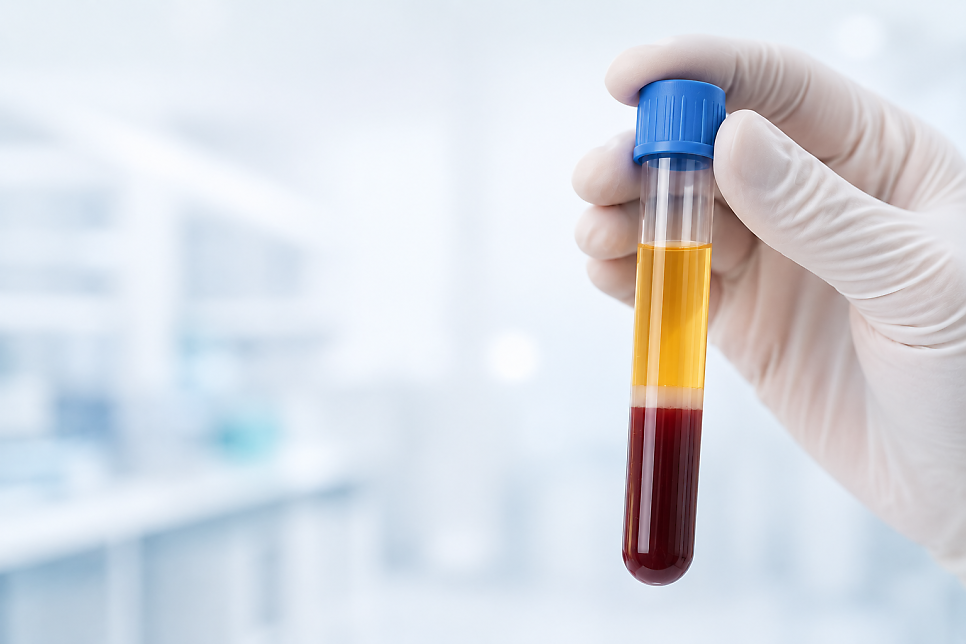
PRP (Platelet-Rich Plasma) is prepared through a simple process:
1) Blood collection
2) Centrifugation
3) Concentration of platelets before injection
Because PRP uses the patient's own blood,
the risk of immune rejection is minimal.
It has been widely used in dermatology,
hair restoration, orthopedics,
and regenerative medicine to support tissue repair.
One advantage of PRP is its relatively simple preparation process.
However, the concentration of platelets
and growth factors can vary depending on the individual
as well as the collection and processing methods.
PRP is often considered an appropriate option
for patients seeking support for early-stage tissue regeneration.
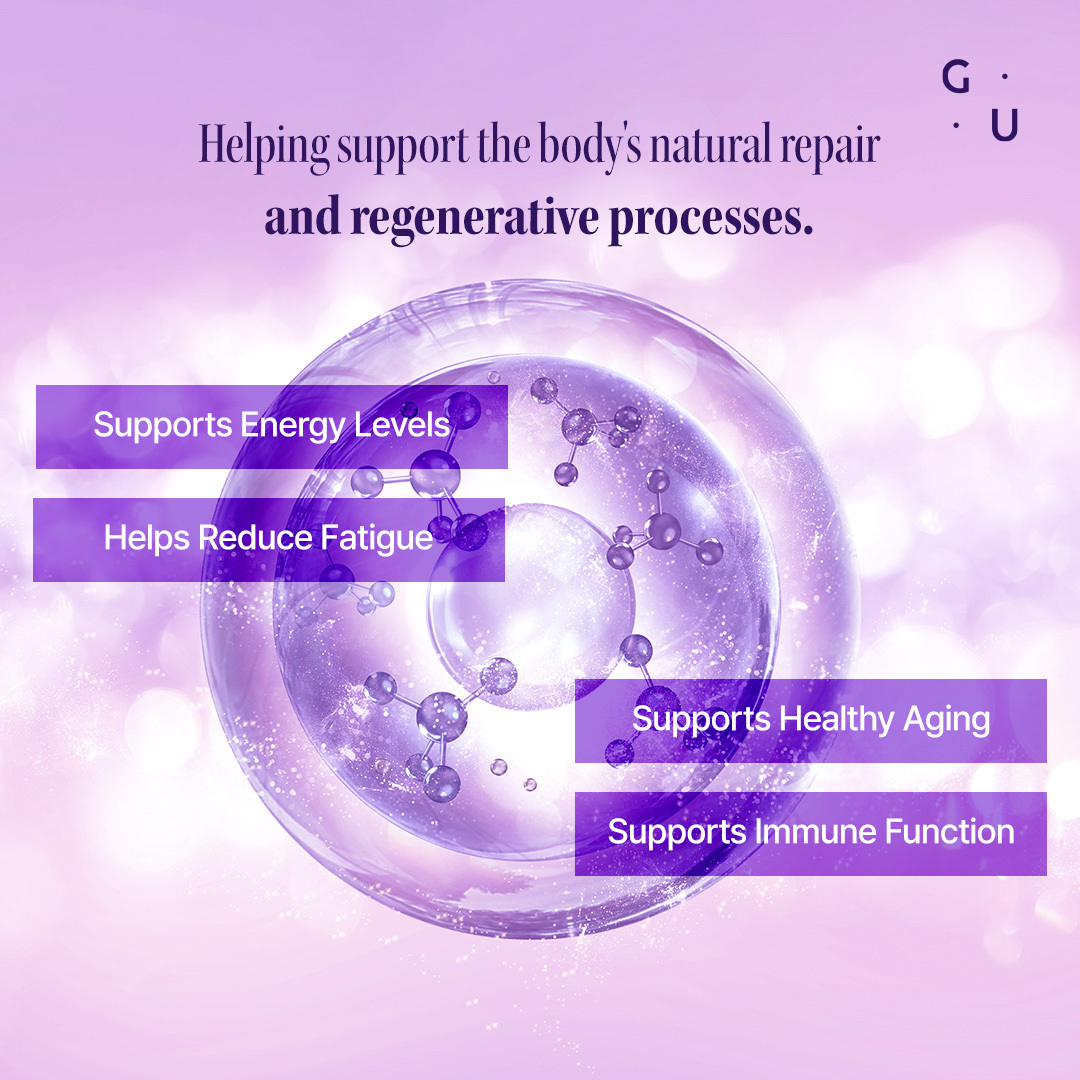
Helping support the body's natural repair and regenerative processes.
Benefits
- Supports Energy Levels
- Helps Reduce Fatigue
- Supports Healthy Aging
- Supports Immune Function
"What Is Stem Cell Therapy?"
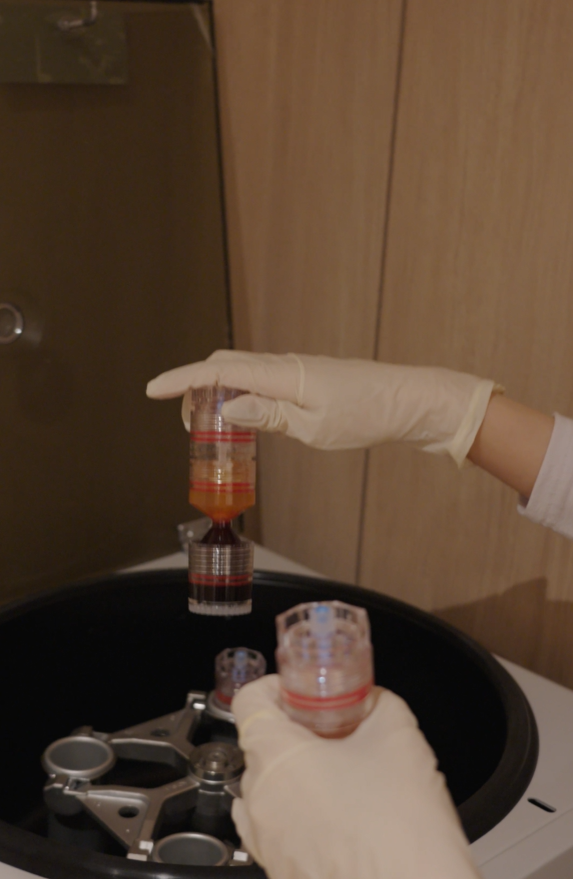
Stem cell therapy involves collecting stem cells
from your own blood, bone marrow, or adipose tissue, followed
by purification and concentration
before they are administered either to the target area or intravenously.
Stem cells possess the unique ability
to develop into various specialized cell types.
However, modern regenerative medicine recognizes
that their therapeutic value extends beyond differentiation alone.
Stem cells also help create a favorable environment
for tissue repair by releasing a variety of growth factors
and bioactive signaling molecules that support the body's natural healing response.
They may also contribute to immune regulation
and help modulate chronic inflammation, creating conditions
that allow damaged tissues to recover more effectively.
While PRP primarily supports regeneration
through concentrated platelets and growth factors,
stem cell therapy works by influencing cellular communication,
immune modulation, and the regenerative microenvironment,
providing a broader regenerative approach.
Because these therapies differ in both mechanism
and therapeutic purpose, the appropriate treatment depends
on each individual's condition and treatment goals.
Regenerative responses develop gradually,
and treatment outcomes may vary from person to person.
"PRP vs. Stem Cell Therapy
at a Glance"
PRP | Stem Cell Therapy | |
Primary Component | Platelets & Growth Factors | Autologous Stem Cells (Blood, Bone Marrow, or Adipose Tissue) |
Collection Method | Blood Collection → Centrifugation | Blood, Bone Marrow, or Adipose Tissue → Centrifugation |
Mechanism | Supports regeneration through growth factors | Supports tissue repair through cellular signaling and regenerative mechanisms |
Applications | Skin rejuvenation, hair restoration, mild musculoskeletal conditions | Skin, joints, nerves, and systemic regenerative support |
Recommended For | Early-stage regenerative care | Patients requiring broader regenerative support |
PRP and stem cell therapy should not be selected
based solely on the treatment area.
A comprehensive evaluation of your overall health,
regenerative capacity, and treatment goals is essential
to determine the most appropriate approach and treatment schedule.

"The Future of Regeneration
Is About More Than
Simply Adding Volume"
As time passes, many people reach a point
where conventional treatments no longer seem
to provide the same level of improvement.
At that stage, the question becomes not
"What should I add?" but rather
"How can I improve my body's regenerative environment?"
Meaningful regeneration begins with supporting
the biological processes occurring beneath the surface.
Regenerative injection therapies may be considered
when recovery becomes slower than before
or when traditional treatments no longer provide sufficient improvement.
Even within regenerative medicine, treatment strategies vary
depending on each individual's condition, treatment objectives,
and biological characteristics.
For this reason, a personalized consultation
with an experienced physician is essential
to determine the most appropriate regenerative approach.
Thank you.
Ki-Beom Park, MD
Medical Director, GU Clinic