


Understanding Laser Toning in Seoul, Body Hyperpigmentation That Won’t Fade?
Concerned about dark underarms, elbows, or knees? Explore possible causes of body hyperpigmentation, how pico laser toning may be used, and what to consider before treatment in Seoul.
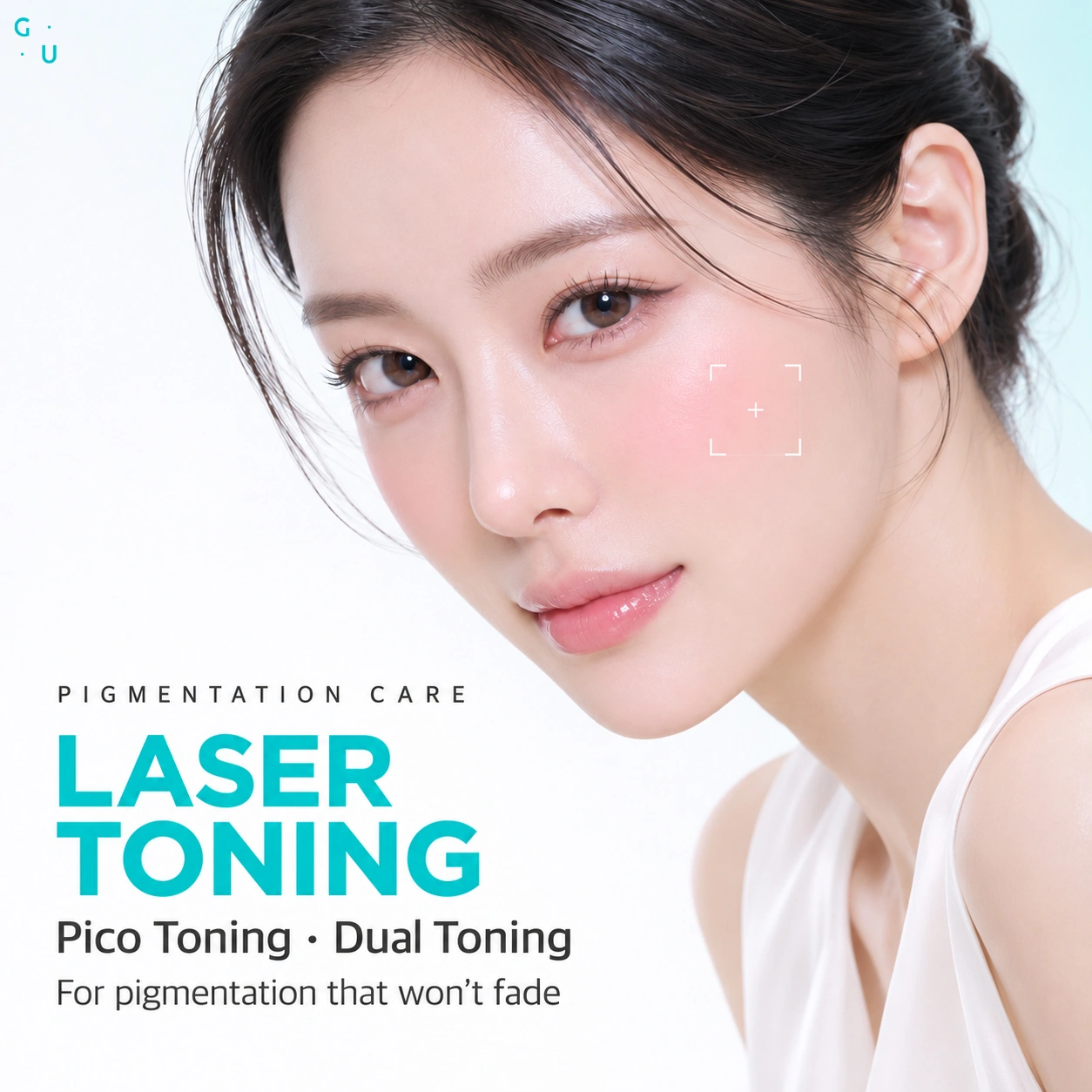
"Why are dark patches still there despite
moisturizing and brightening skincare?"
Dark underarms can make you self-conscious when raising your arms.
Discoloration around your elbows or knees may also affect what you feel comfortable wearing.
When brightening products and exfoliation do not seem to help,
you may start searching for laser treatment for hyperpigmentation.
Managing body hyperpigmentation involves addressing
both the discoloration and ongoing triggers, such as friction or skin inflammation.
If those triggers remain, switching products or
treatments may not prevent the concern from returning.
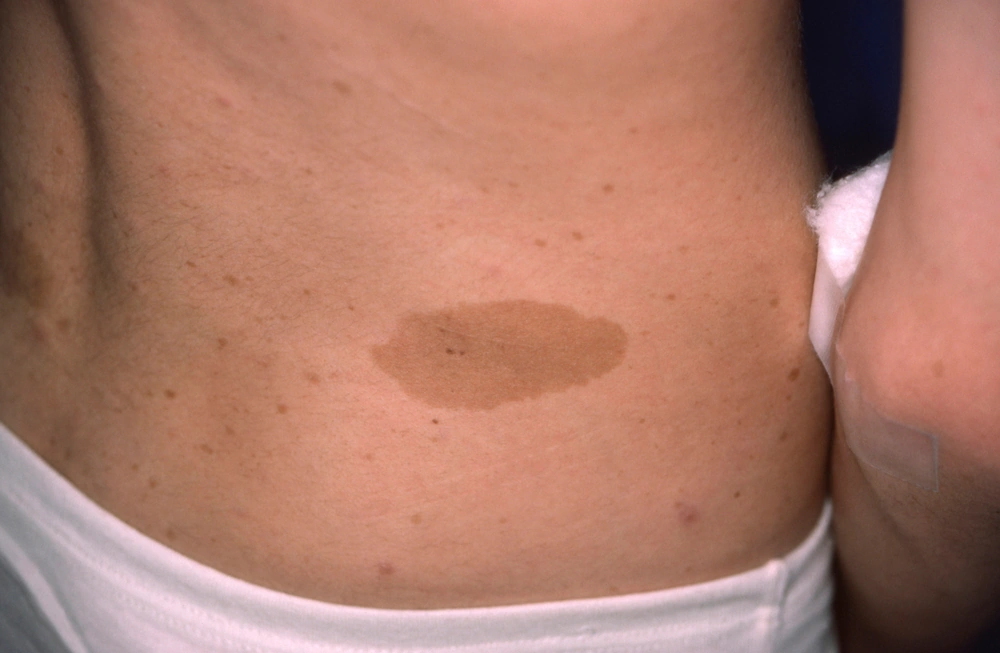
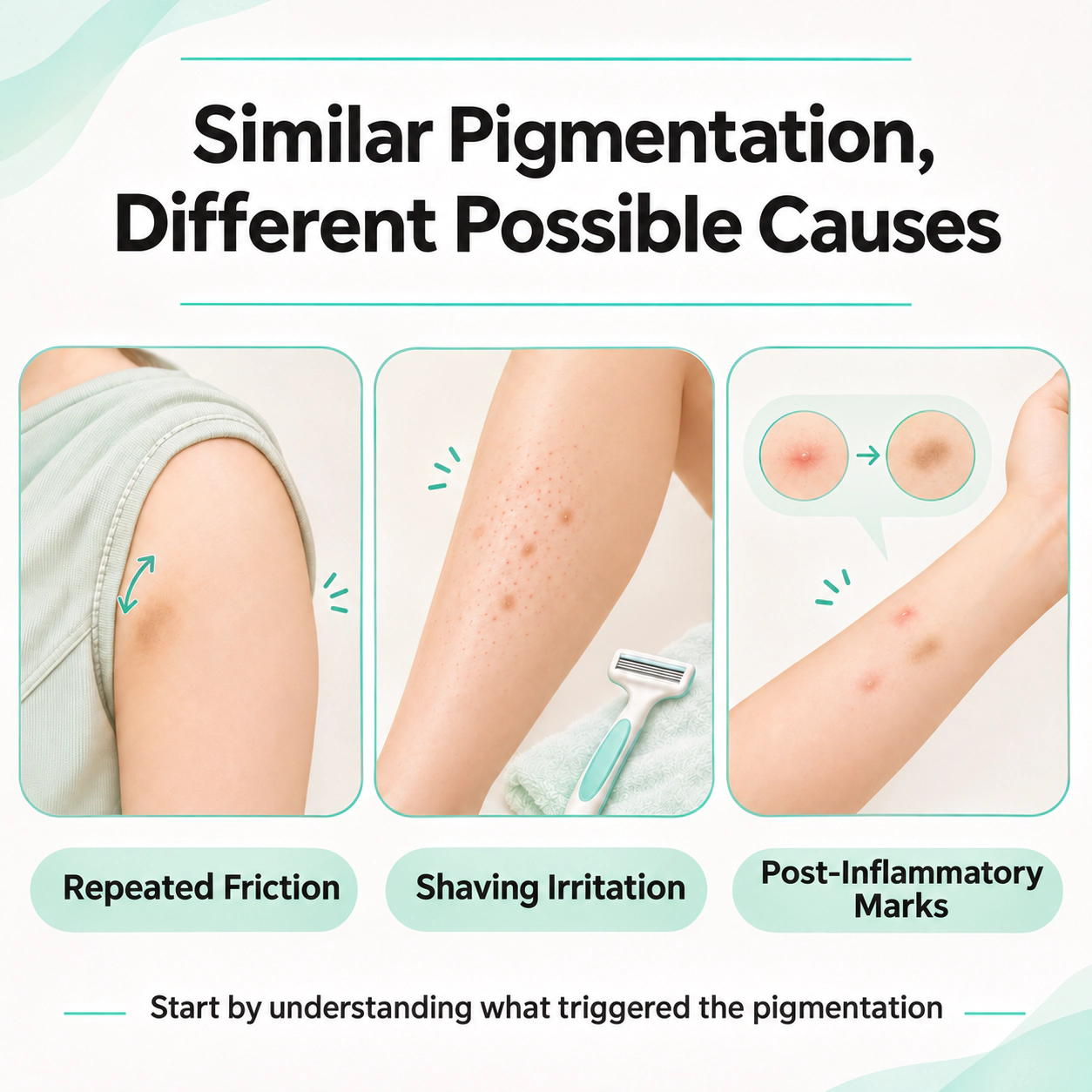
"Similar-looking pigmentation
can have different causes"
Underarm discoloration may develop after irritation from shaving,
hair removal, or personal care products.
Dark elbows and knees may be associated with repeated friction and dry skin.
Brown marks can also remain after dermatitis or folliculitis has settled.
This is known as post-inflammatory hyperpigmentation, or PIH.
If the area is itchy, red, or stinging, irritation and inflammation
should be addressed before considering pigmentation treatment.
Scrubbing dark patches or
repeatedly exfoliating them can add further irritation.
If the skin also becomes thickened or develops a velvety texture,
a medical assessment is needed to distinguish this from other forms of discoloration.
"Pico laser or laser toning—
are they different treatments?"
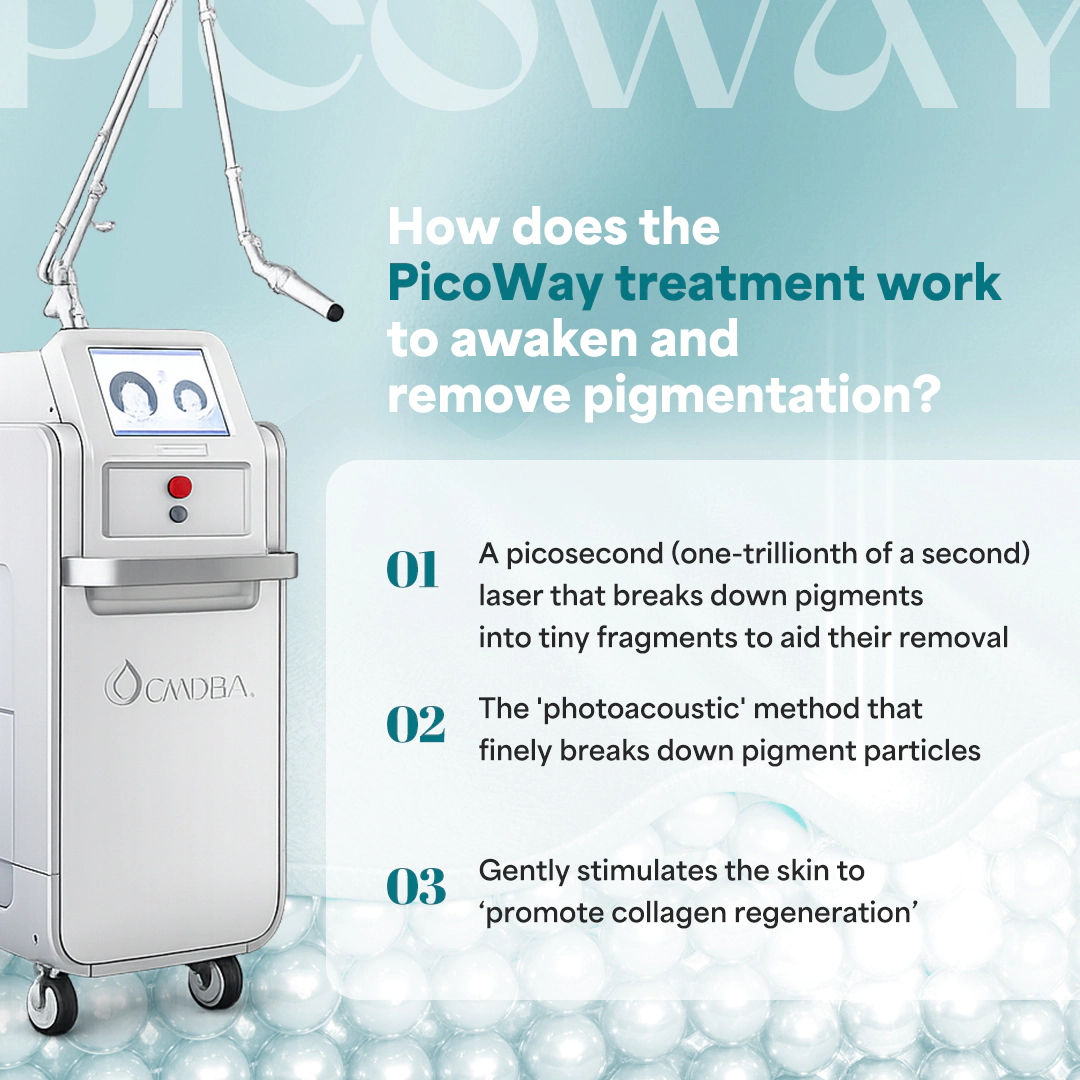
A pico laser is a device that delivers energy in extremely short pulses,
measured in picoseconds. Laser toning describes
a treatment approach used to manage pigmentation.
A pico laser can be used for laser toning,
so these terms do not necessarily describe separate treatment options.
When considering a pico laser for body hyperpigmentation,
the assessment includes the cause and distribution of the discoloration,
your skin tone, and previous reactions to irritation or treatment.
The treatment plan also depends on the wavelength,
energy settings, and area being treated—not just the device name.
Laser treatment is not the first choice for every dark patch.
Moisturizing, reducing irritation, and appropriate topical treatments may also be considered.
Laser-related irritation can sometimes worsen hyperpigmentation.
Higher energy settings or more frequent sessions are therefore not automatically the right approach.

"Before your next session,
check how your skin feels—not just its color"
After laser toning, redness, stinging, and swelling may occur.
Potential risks also include increased pigmentation, lighter patches, and burns.
During recovery, avoid rubbing the treated area or
introducing strong brightening products and exfoliants on your own.
Follow your clinician’s instructions on when to resume hair removal and skincare products.
Use sun protection on exposed areas, and
review clothing or habits that repeatedly rub against the skin.
Rather than checking the color in the mirror every day,
take photos under similar lighting and record whether itching or stinging is improving.
Managing body pigmentation involves caring for the visible marks and
adjusting the conditions that contributed to them. Results and recovery vary between individuals.

"Laser toning for hyperpigmentation:
four common questions"
Q1. Are dark underarms, elbows, and knees treated in the same way? Not necessarily. Skin thickness, friction, and the cause of pigmentation differ by area. Treatment settings and coverage are adjusted accordingly. |
Q2. How many sessions will I need? A specific number of sessions cannot guarantee a result. Further treatment and the interval between sessions depend on the underlying cause and your skin’s response. |
Q3. Can I combine laser toning with hair removal? The timing needs to be coordinated because treating the same area can add irritation. Tell your clinician when you last had hair removal and how your skin reacted. |
Q4. Can the pigmentation return after treatment? Yes. Ongoing friction or skin inflammation can cause darkening again. Treatment-related irritation can also lead to pigment changes, so follow-up assessment is needed. |


"GU Clinic Gangnam Information"
Designated by the Ministry of Health and Welfare
as an Advanced Regenerative Medicine Institution
(Designation No. Regeneration-1-0036)
54 Seocho-daero 77-gil, Seocho-gu, Seoul
W Tower, 3rd and 4th Floors
* Near Sinnonhyeon Station Exit 7 and Gangnam Station
* Main line: +82-2-6241-0096
* Weekdays: 10:30 AM–9:00 PM
* Saturdays, Sundays, and public holidays: 10:30 AM–7:00 PM
(Closed on Lunar New Year’s Day and Chuseok)
*25 physicians
(Including specialists in plastic surgery,
dermatology, and family medicine)
Consultations available in
Korean · English · Simplified Chinese · Traditional Chinese · Japanese
* GU Clinic also operates an Ilsan location
Care is led by Dr. Ki-beom Park, Chief Medical Director.
B.S. in Biotechnology, College of Engineering, Yonsei University
M.D., Yonsei University College of Medicine
* Adjunct Professor, Graduate School of Integrative Medicine, CHA University
* Co-founder of Gangnam Unni, a medical aesthetics information platform
* Founder and CEO of Healing Breeze, a medical service organization (MSO)
* Developer of GENABELLE, a K-derma cosmetics brand
* Developer of CELLORA of GU